Different Types of LED Grow Lights
LED grow lights are available in various designs, from compact LED bars to powerful fixtures for larger growing areas. Which design is most suitable depends on factors such as the grow room, the crop, and the desired light intensity.
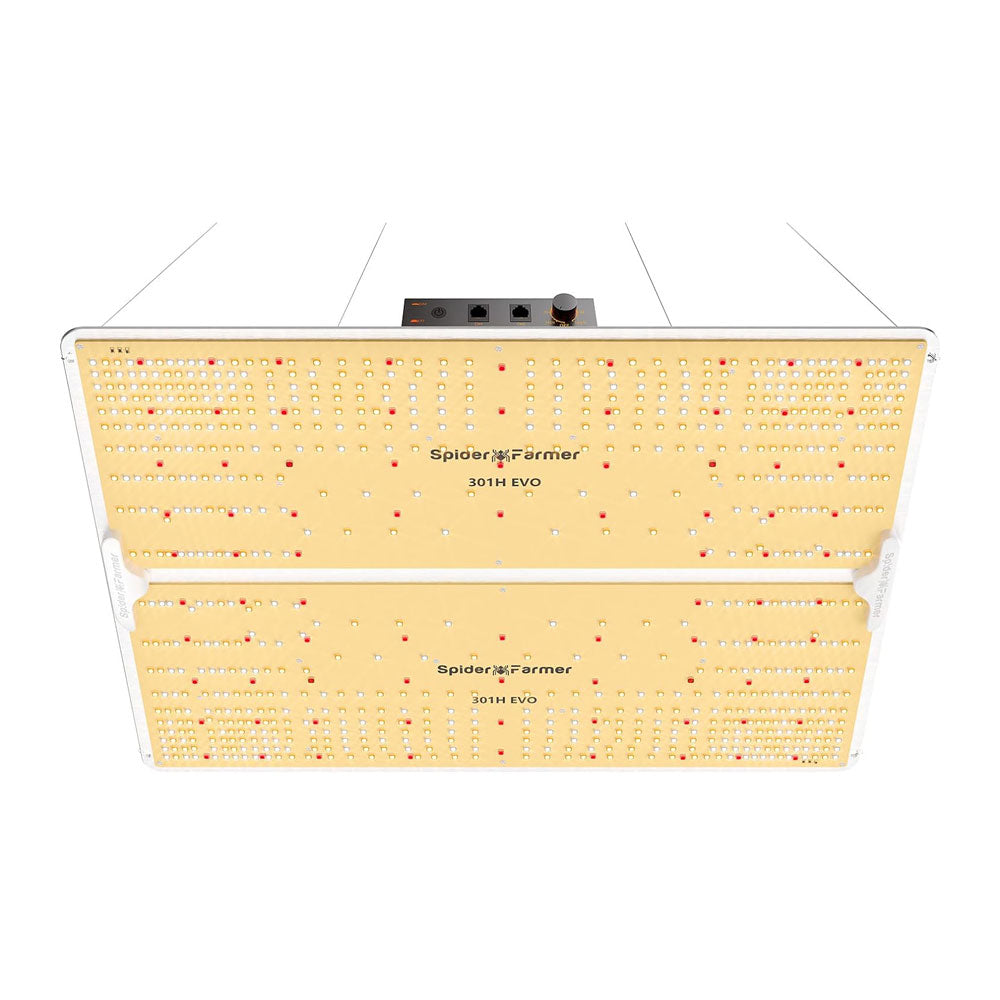
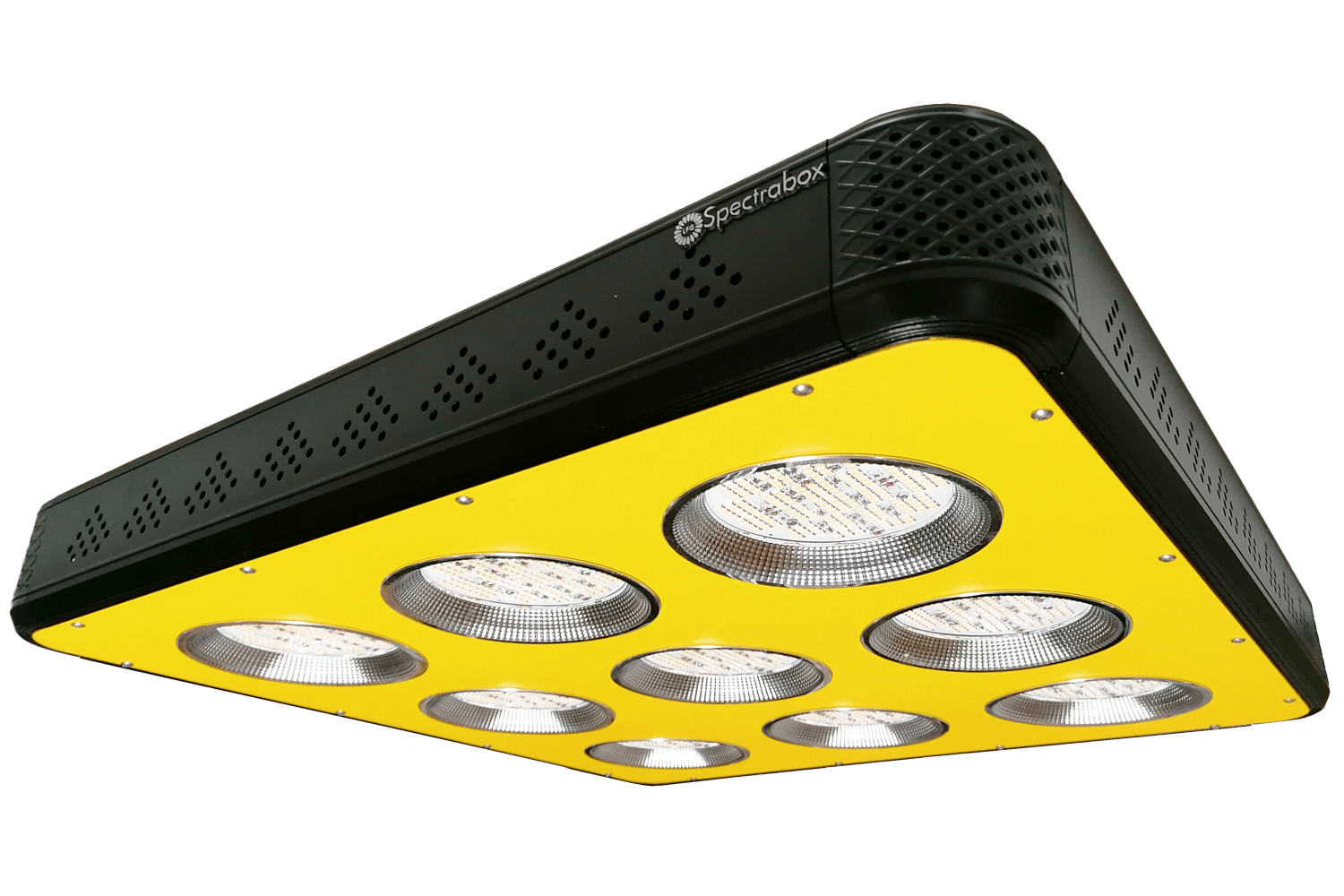
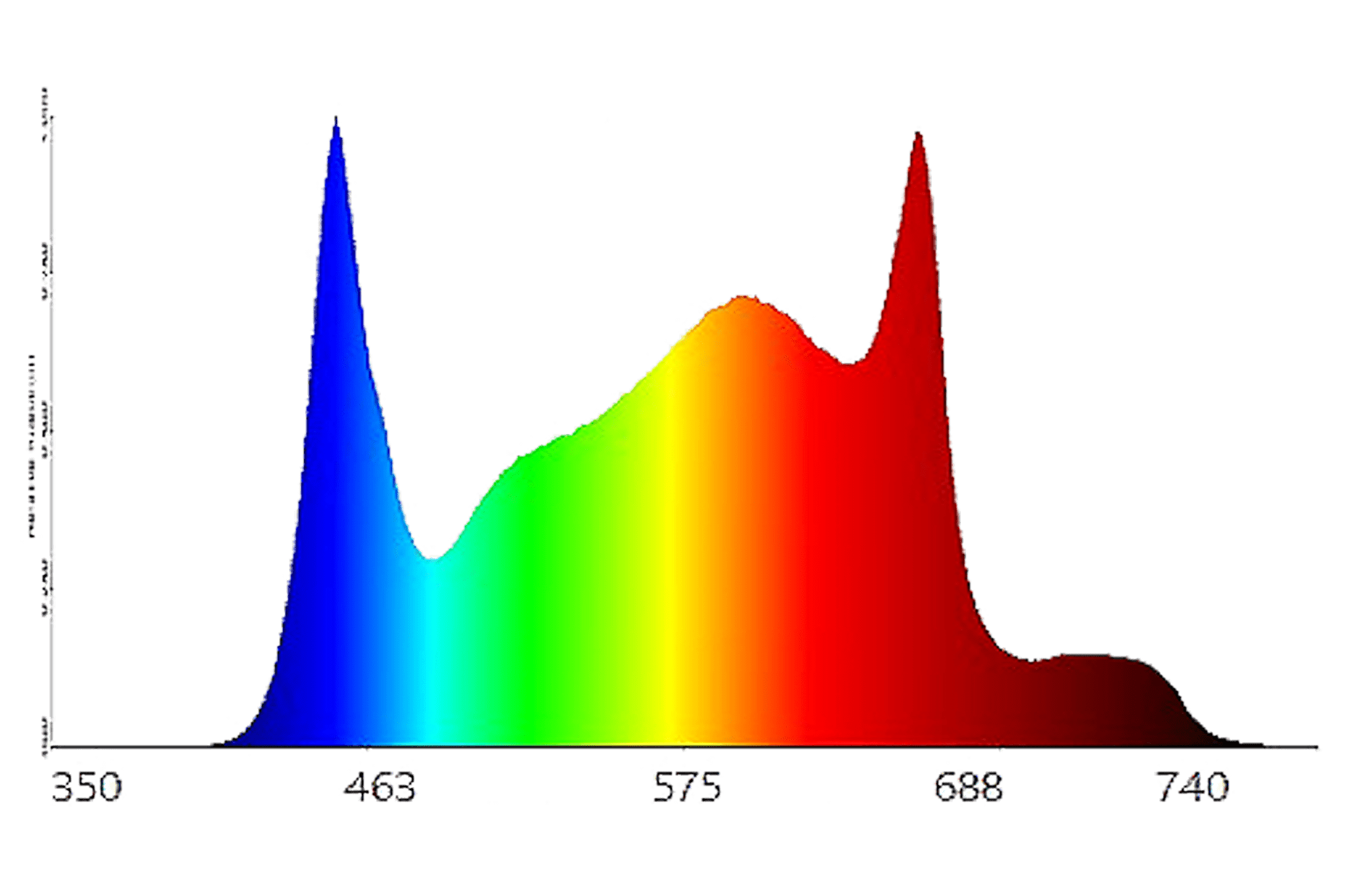
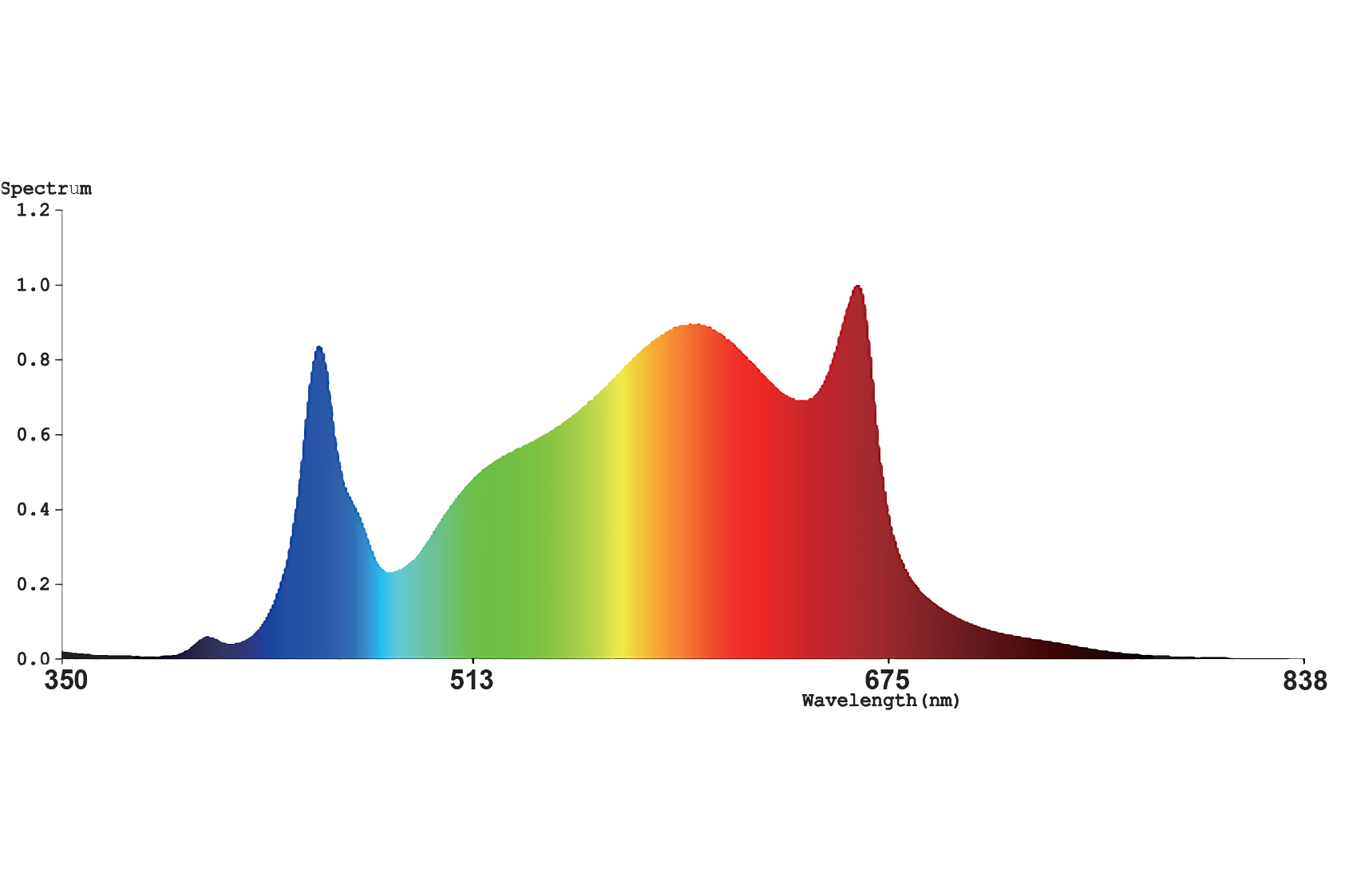
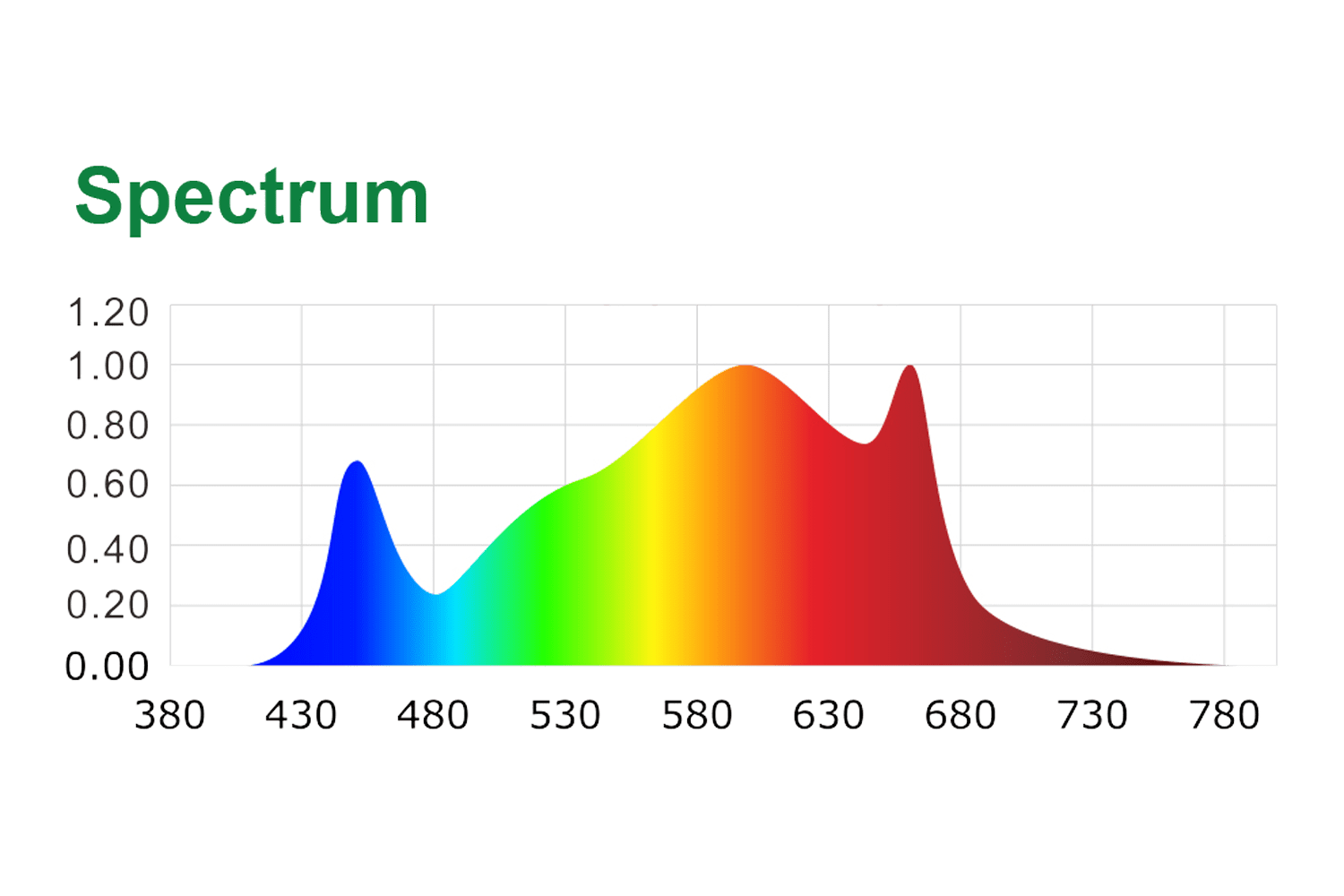
- Full-spectrum LED grow lights– Suitable for both the growth and flowering phases. A full light spectrum makes it possible to use the same grow light throughout the entire cultivation cycle. See, for example, our Spectrabox LED grow lights.
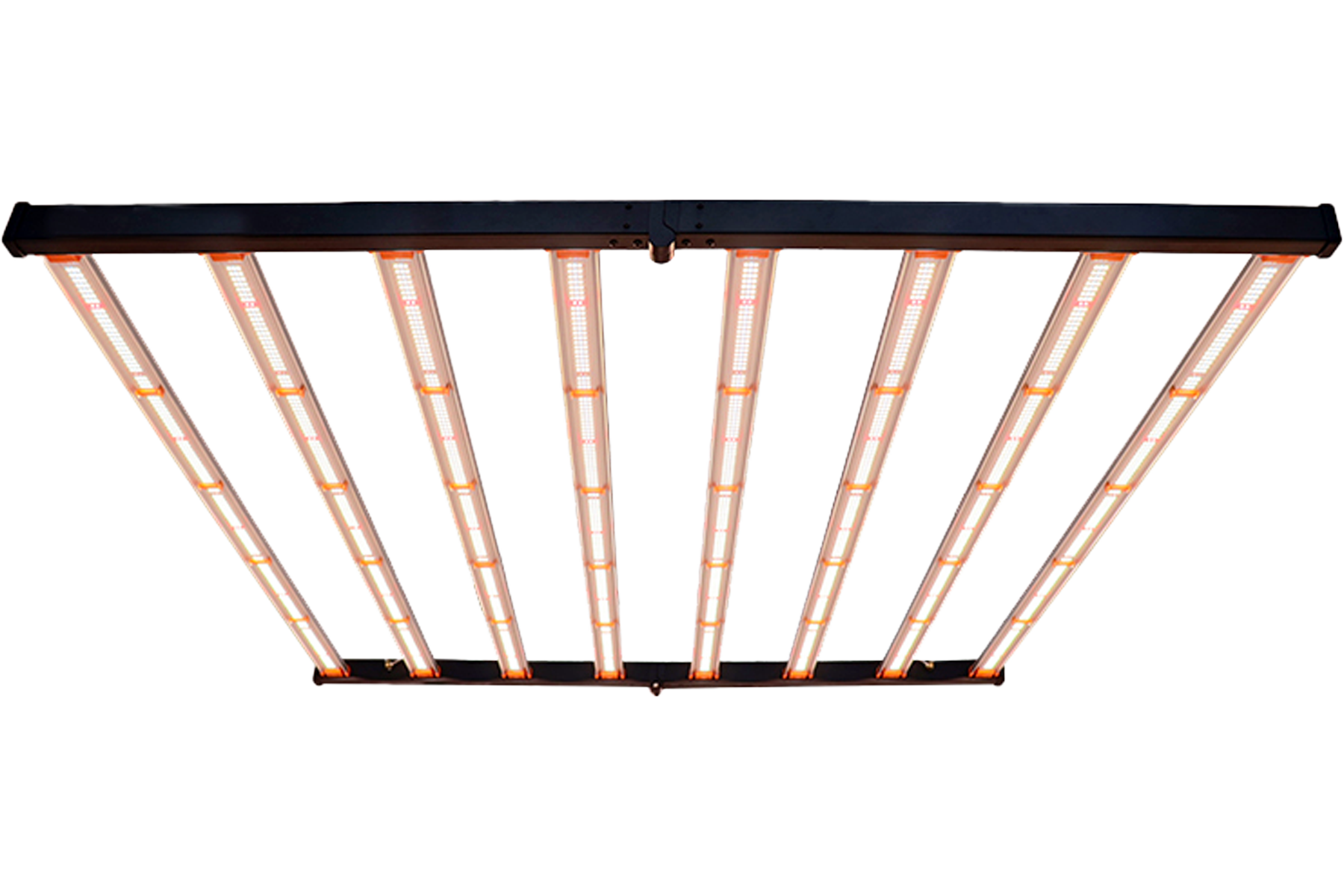
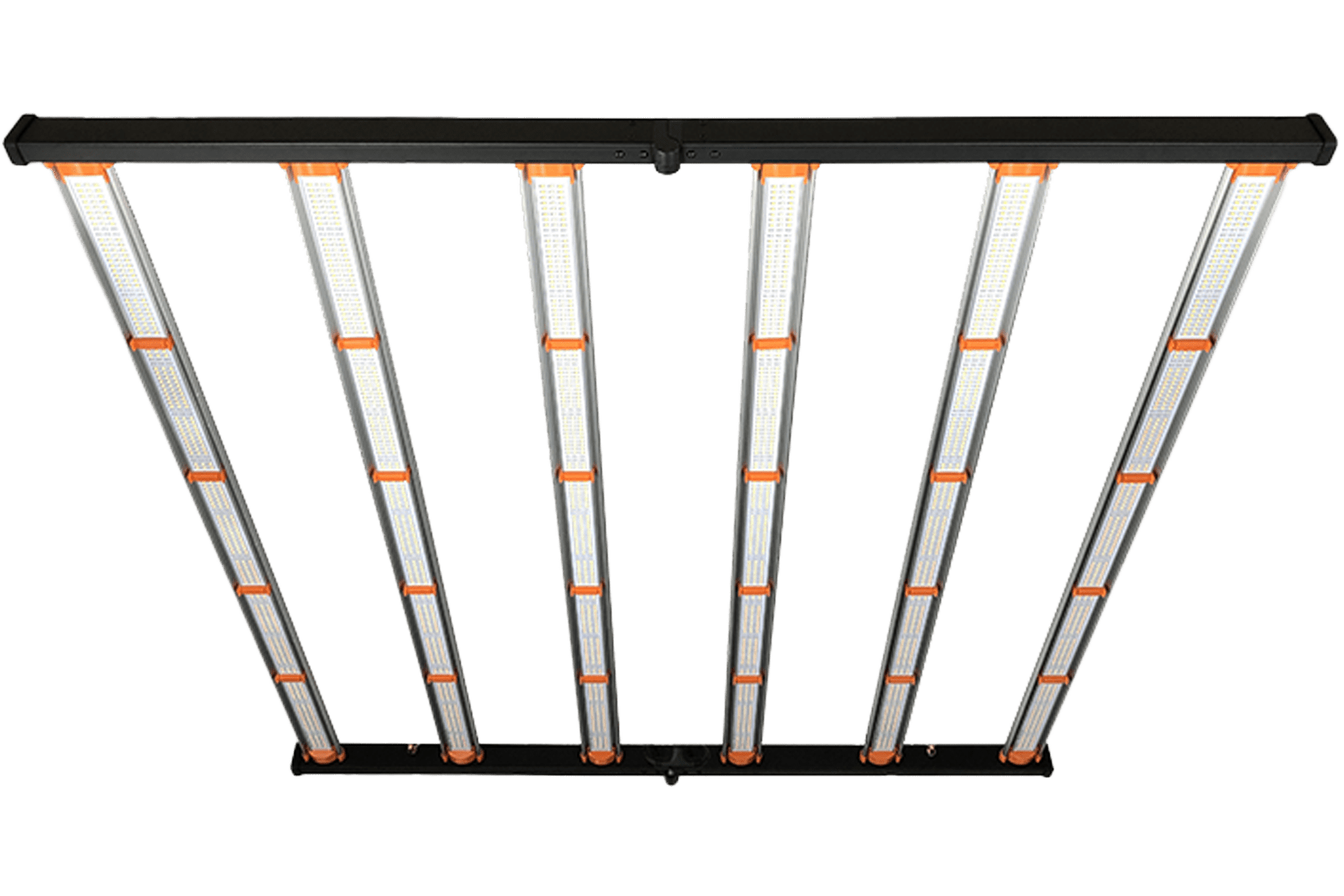
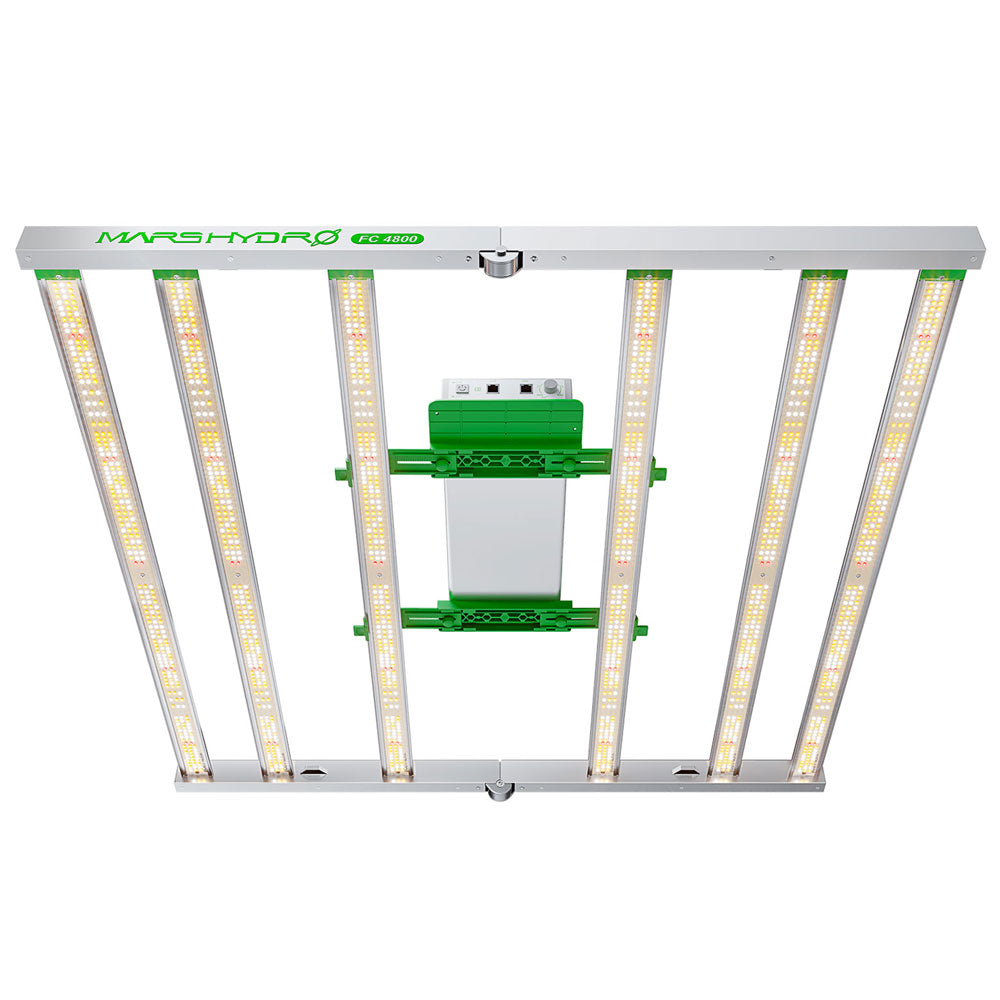
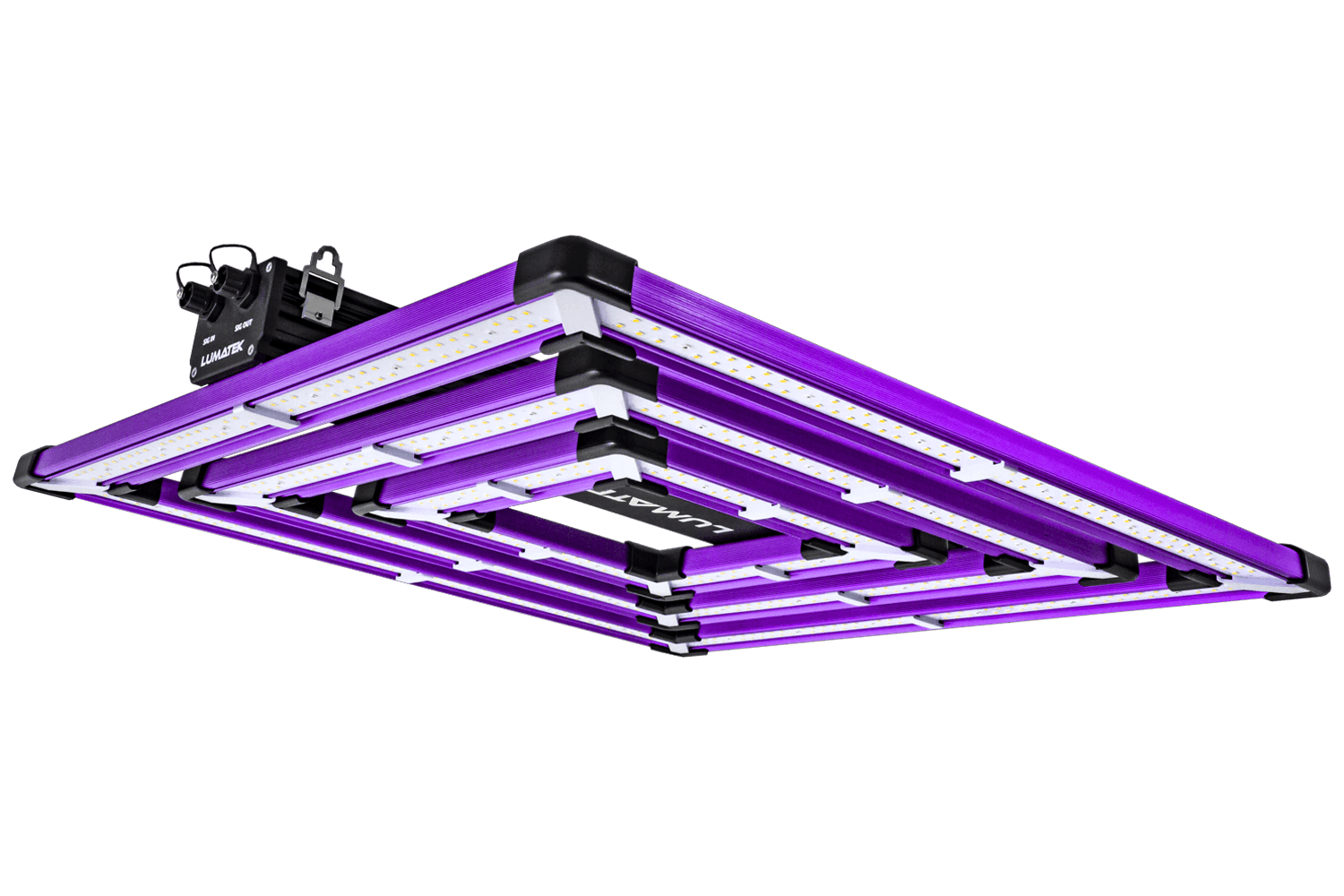
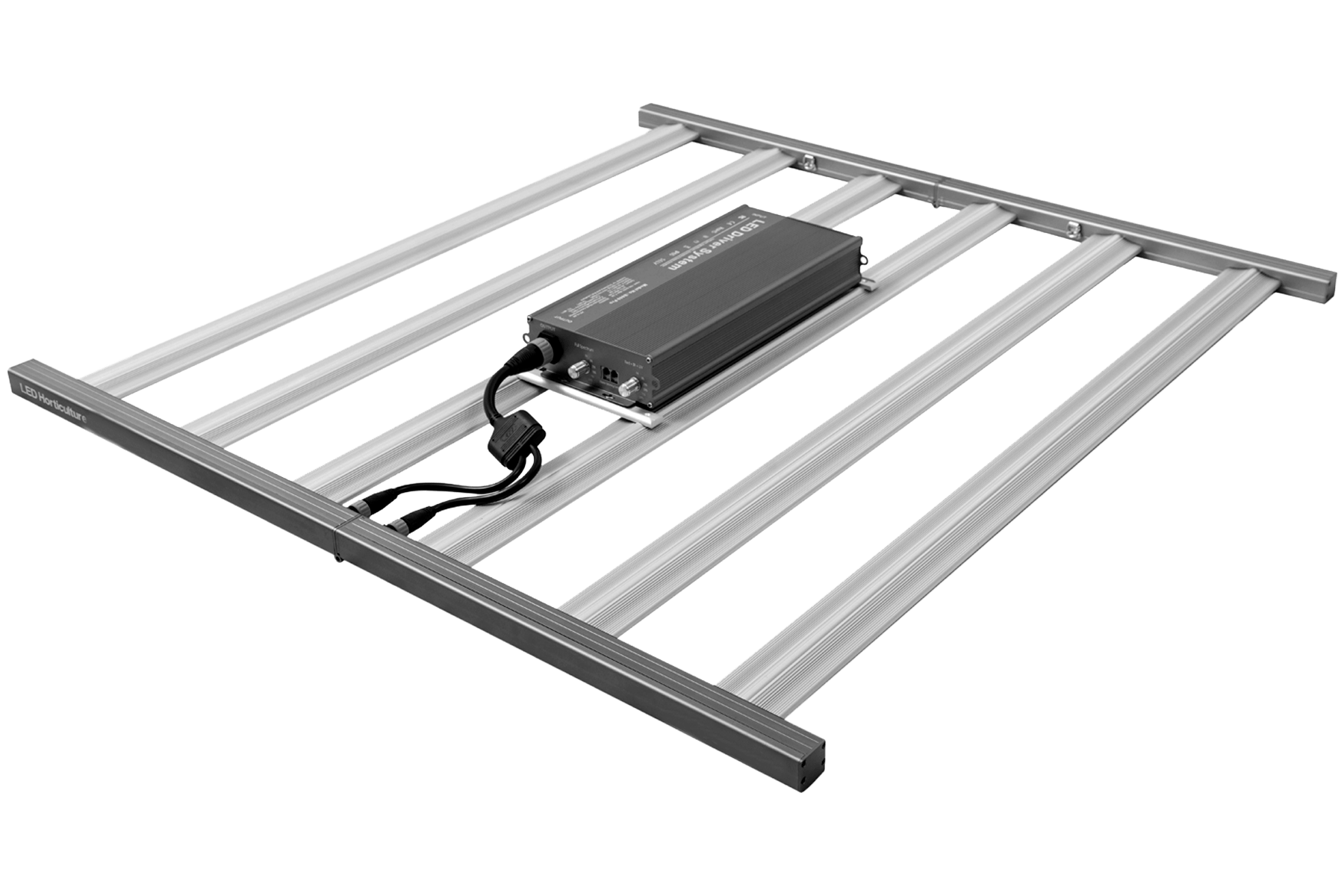
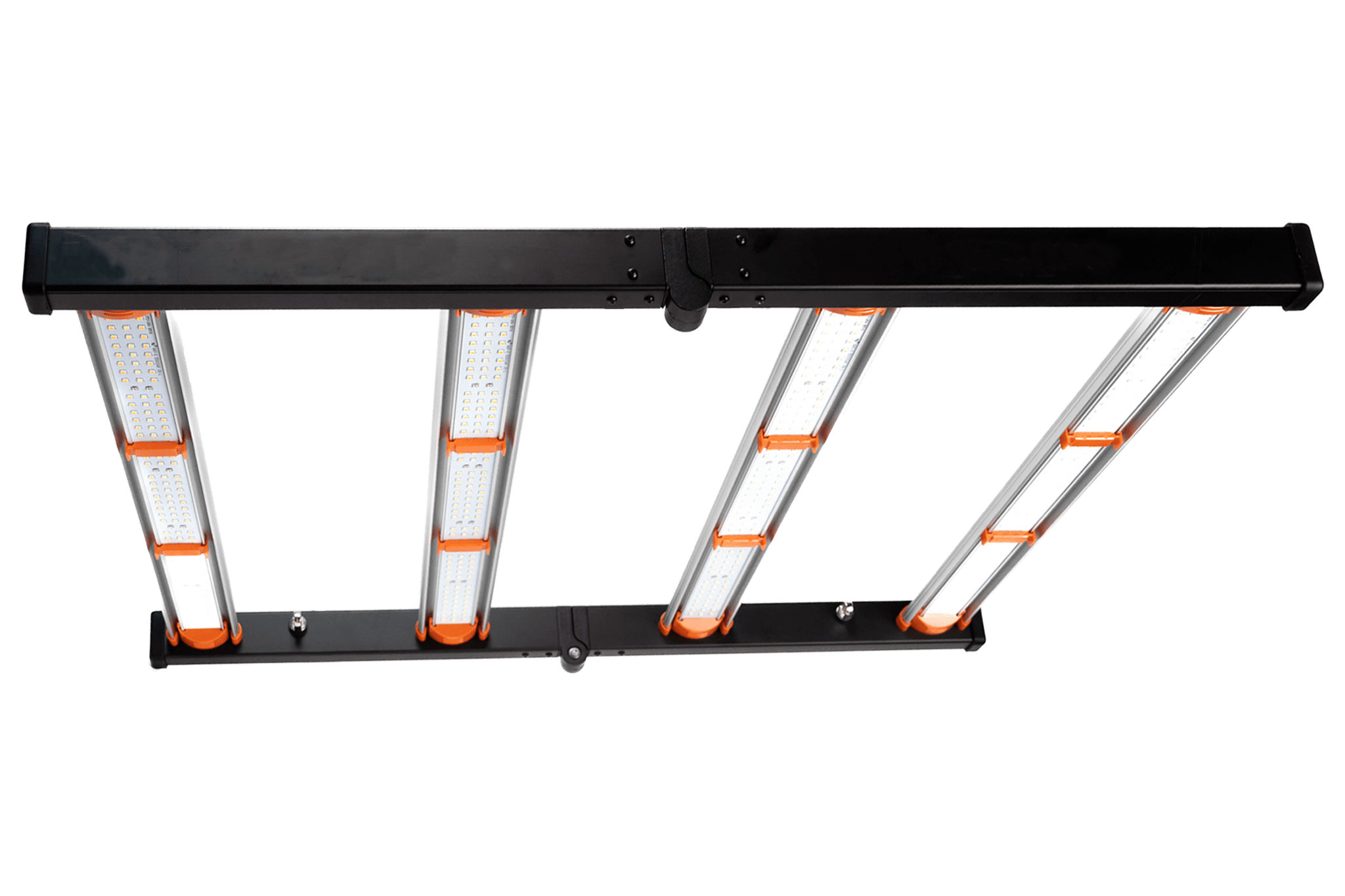
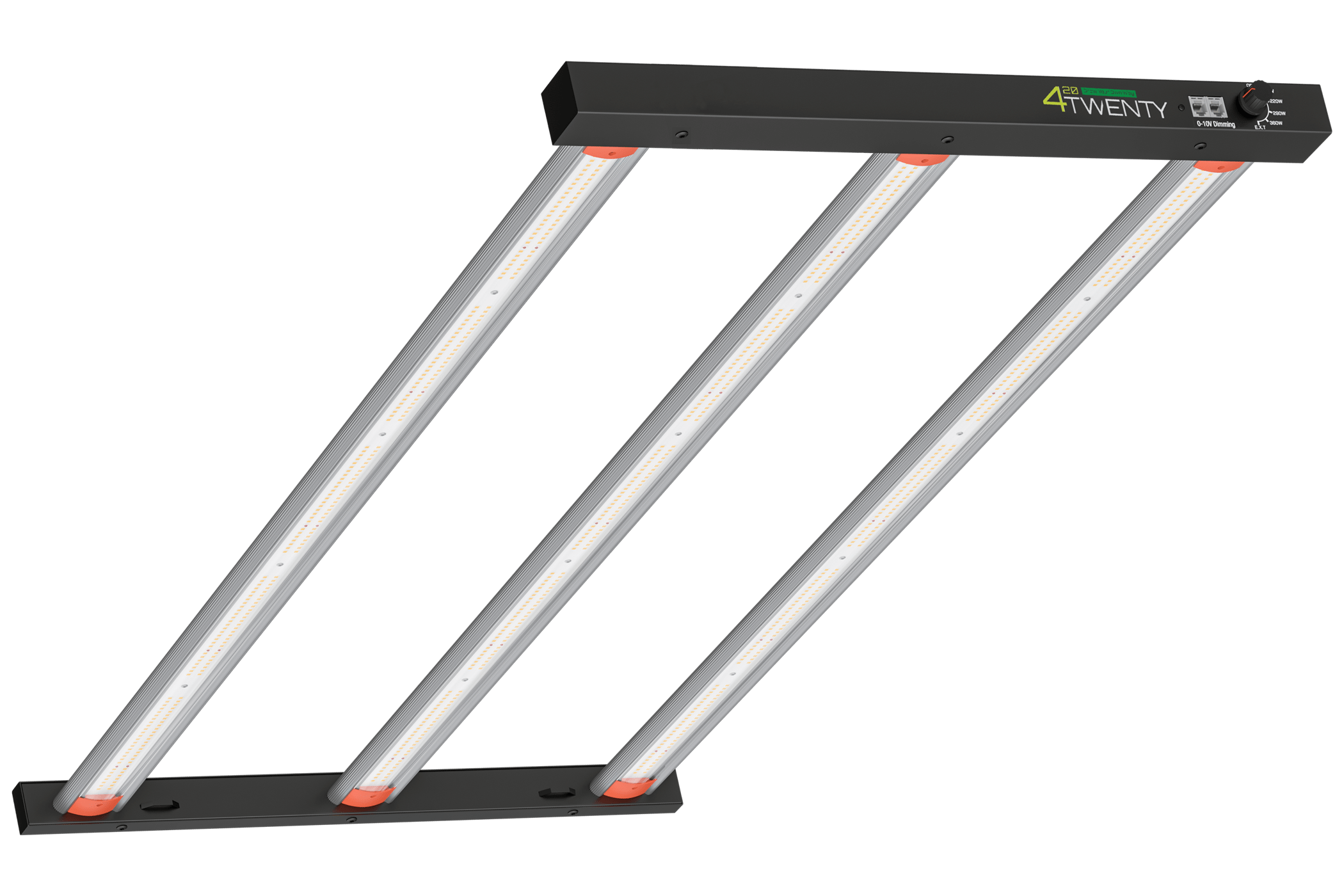
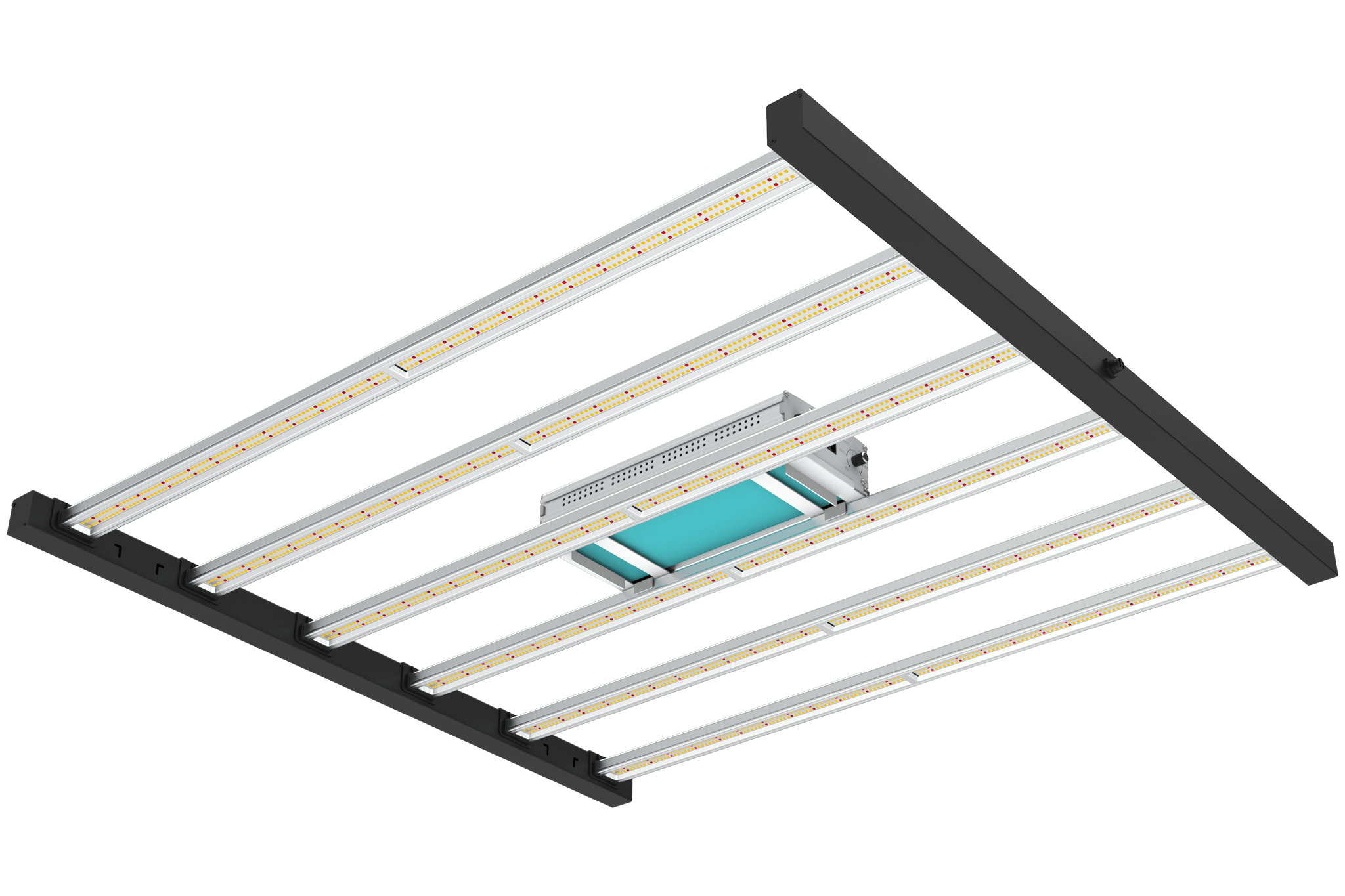
- Multibar LED grow lights– Multiple LED bars distribute light evenly over the growing surface. This makes these fixtures particularly suitable for larger areas and applications where even light distribution is important, such as when using SCROG (Screen of Green) methods.
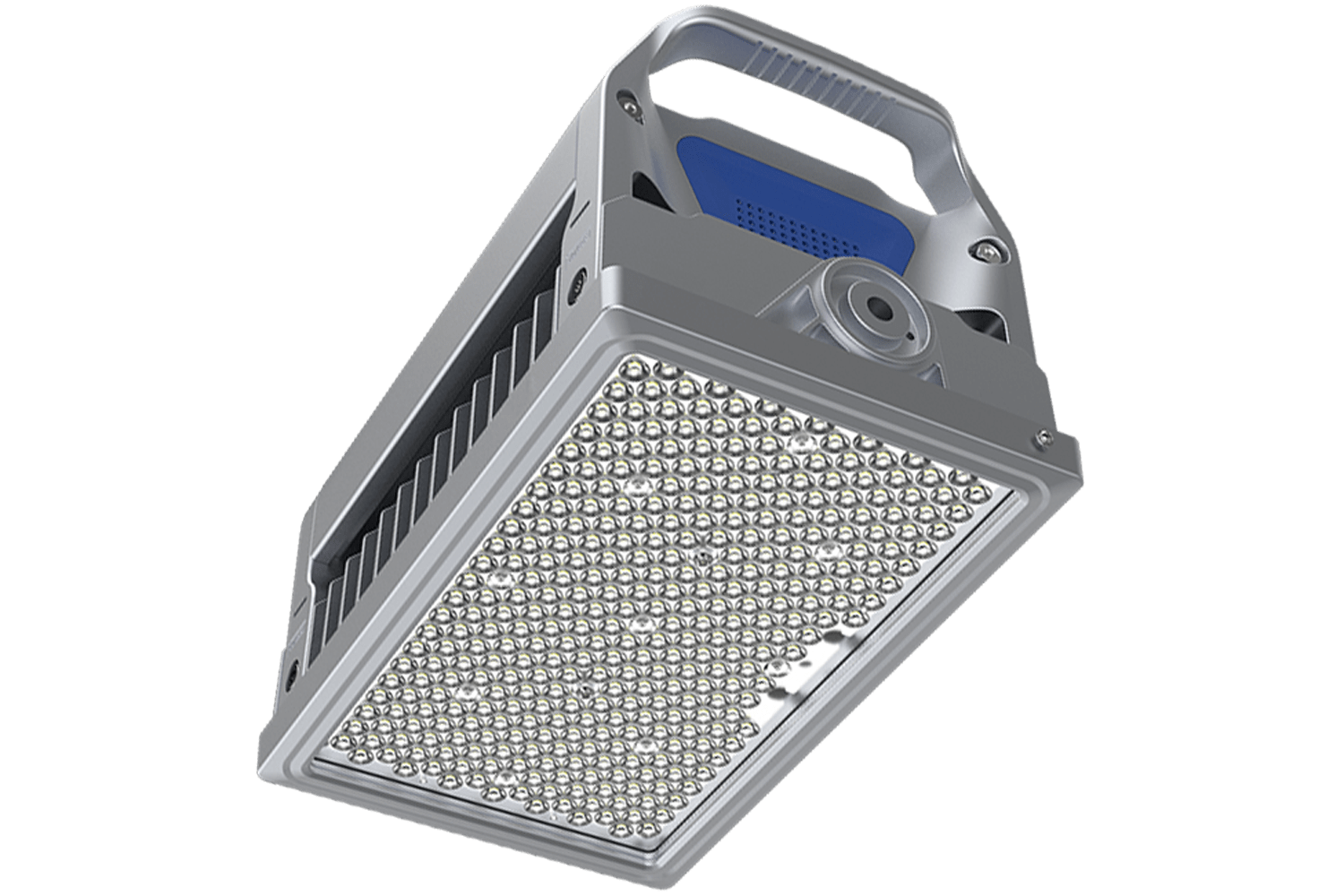
- LED UFO grow lights– Compact fixtures that combine high light output with relatively small dimensions. This makes them suitable for, among other things, smaller grow rooms and grow tents.
- LED bars & strips– Slim and versatile lighting for, among other things, cuttings, young plants, cultivation racks, and vertical farming. They can be used individually or combined to illuminate a larger surface area.
Advantages of LED grow lights compared to HPS
LED grow lights have become significantly more efficient and offer advantages for many applications over traditional HPS grow lighting. Modern LED fixtures produce a lot of light per watt, emit less radiant heat onto the crop, and make it easier to precisely tune the light level to the growth phase.
Higher light efficiency and lower energy consumption
A modern LED grow light can produce more photosynthetically active light per watt of power consumed than traditional HPS lighting. Consequently, it is often possible to achieve a comparable light level with less electrical power. When comparing grow lights, therefore, do not look only at the wattage, but primarily at the efficiency in µmol/Jand the total light output in µmol/s.
Less heat on the crop
LED grow lights still produce heat, but generally radiate less heat directly onto the crop than HPS lamps. This allows temperature and light levels in the grow room to be more manageable. The correct hanging height remains dependent on the power, light distribution, and the needs of the plants.
Long lifespan
Quality LED grow lights generally have a long service life. Unlike HPS fixtures, they do not have a separate lamp that needs to be replaced periodically.
The light output gradually decreases over the lifespan, with the quality of the LEDs, driver, and cooling playing an important role.
Full spectrum for growth and flowering
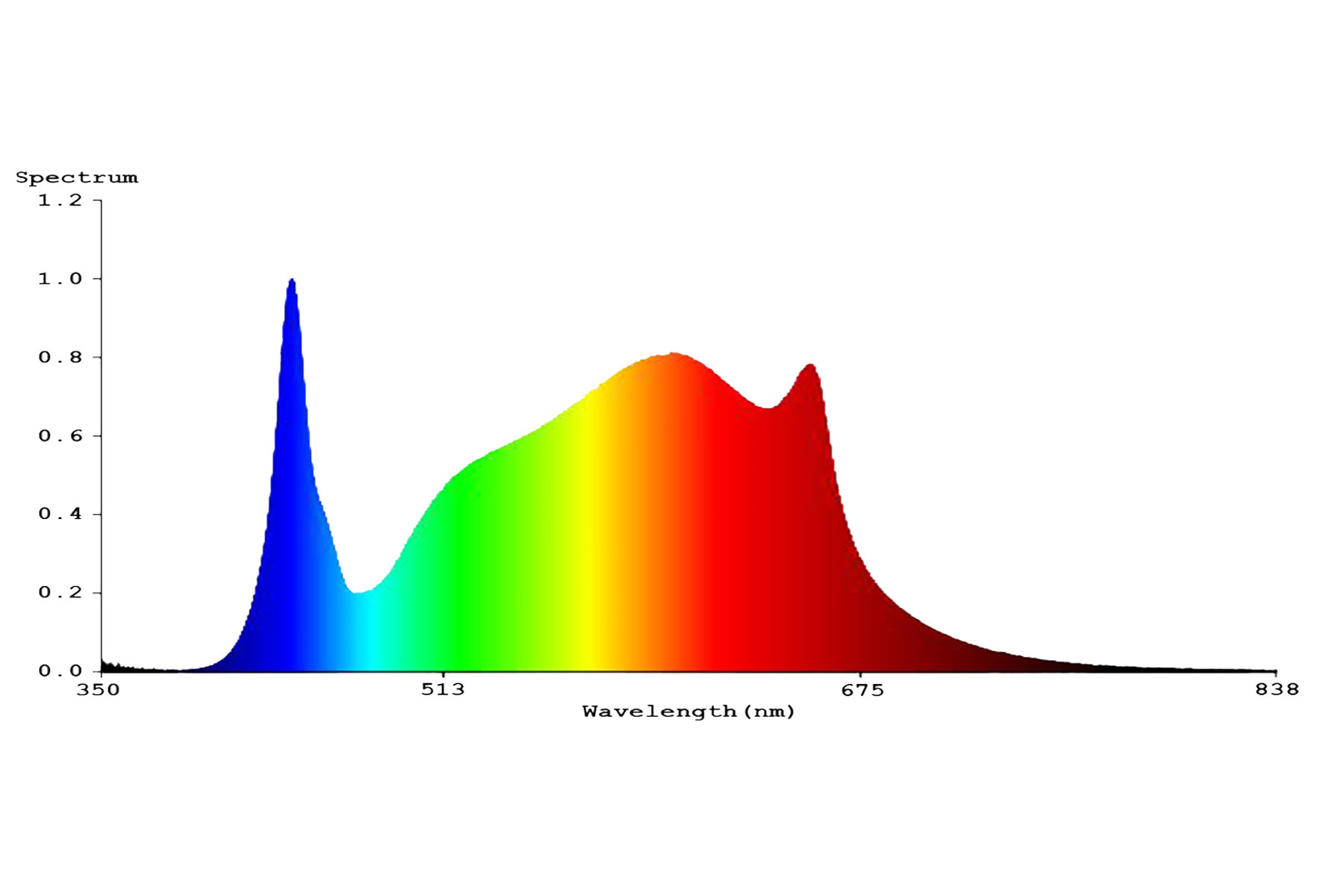
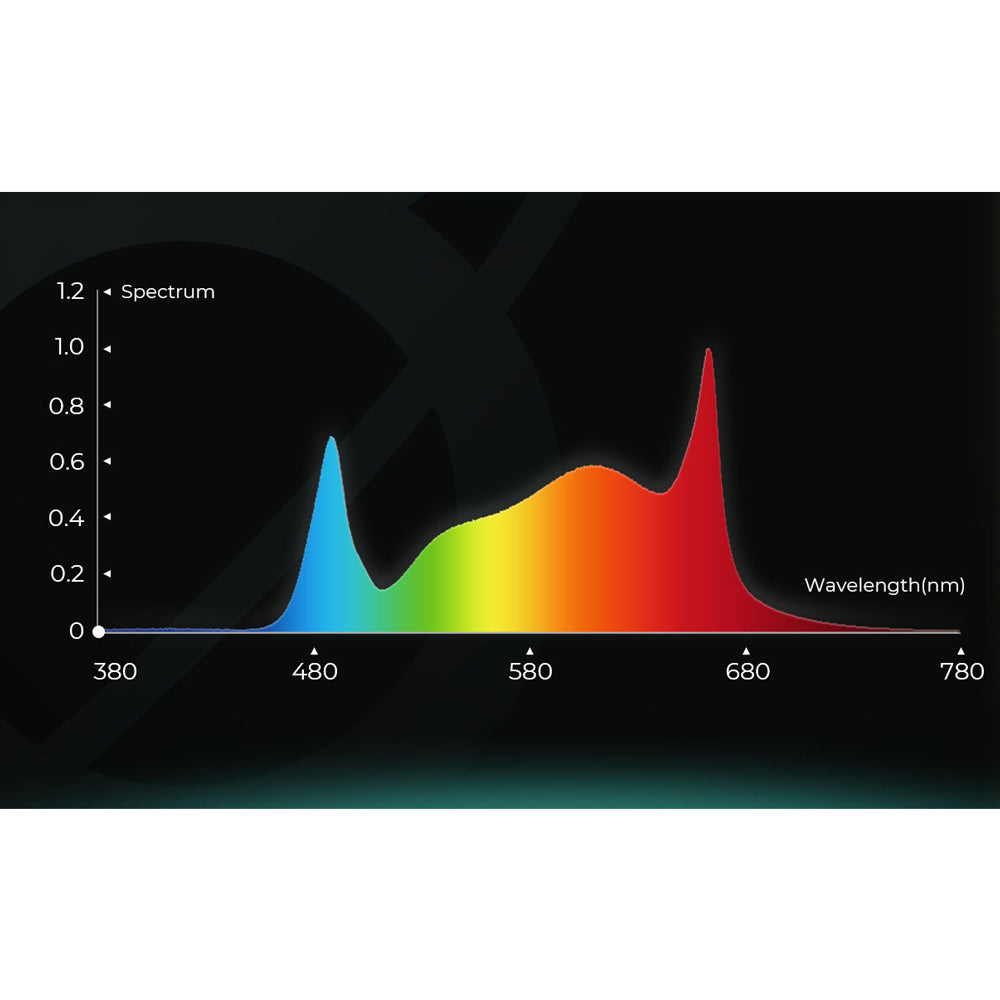
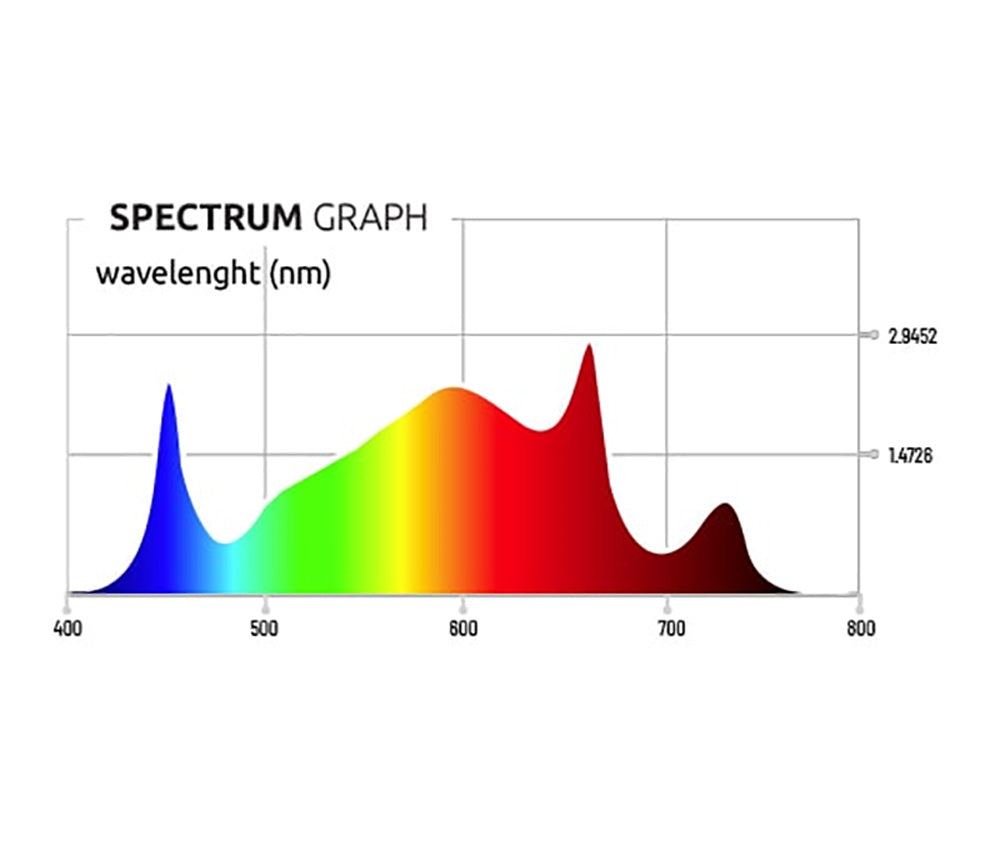
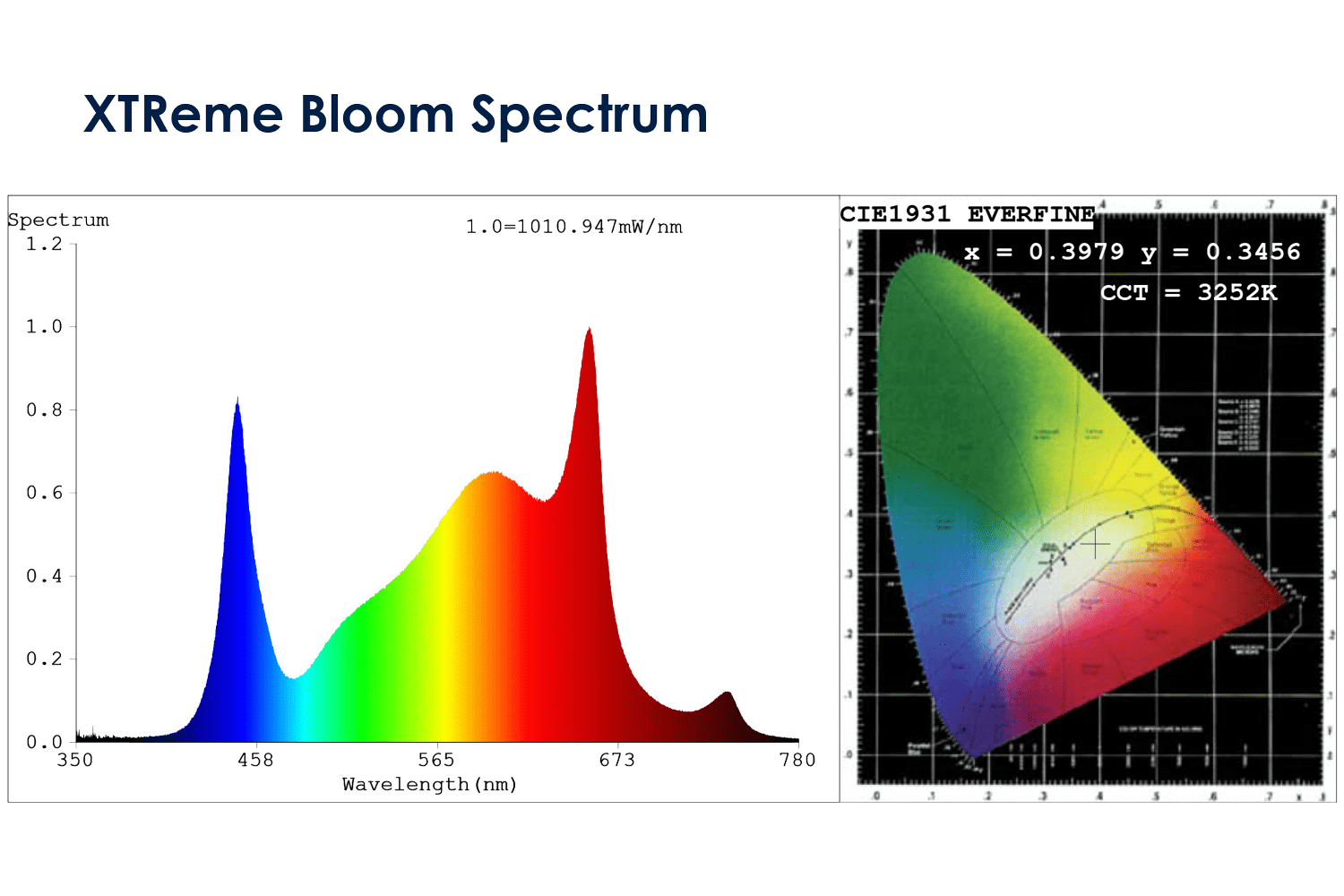
Full-spectrum LED grow lights combine different wavelengths to illuminate plants throughout multiple growth phases. As a result, a single fixture can be used for seedlings, vegetative growth, flowering, and more. Depending on the model, additional wavelengths such as deep red, far-red, or UV may be present.
More control over light intensity
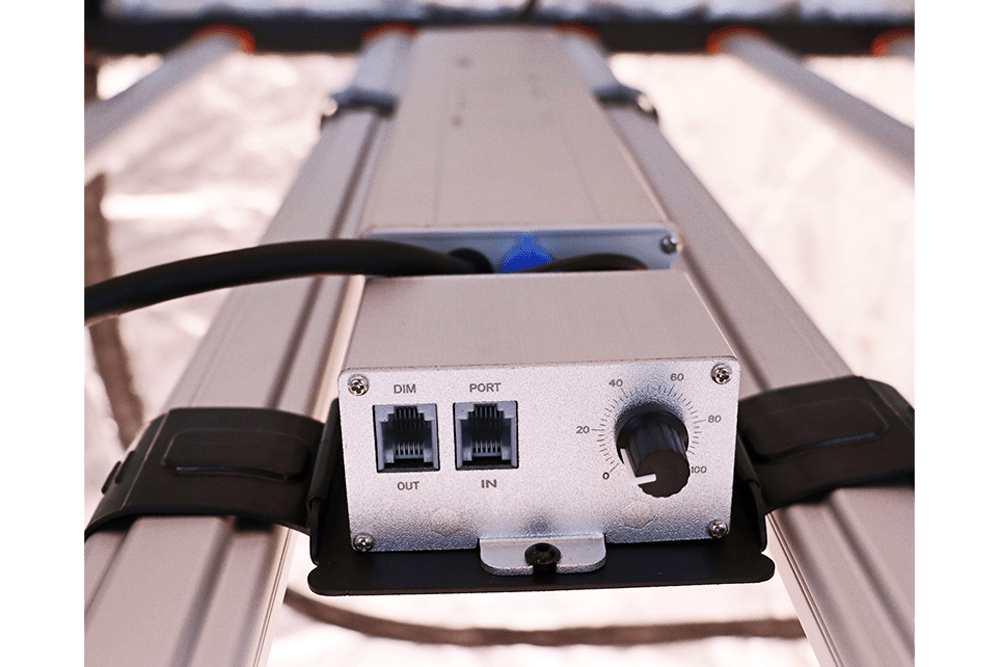
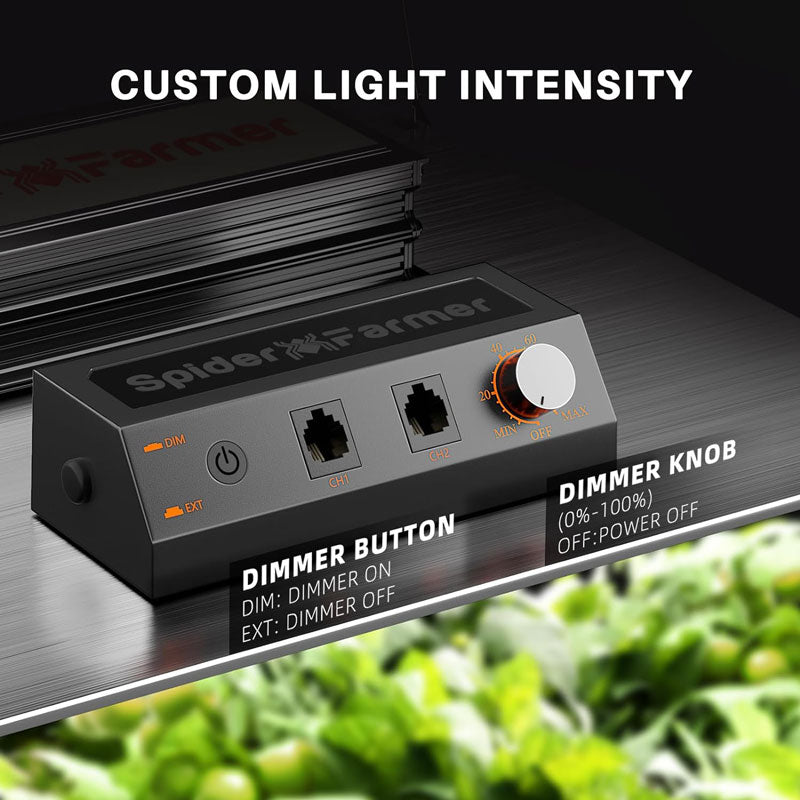
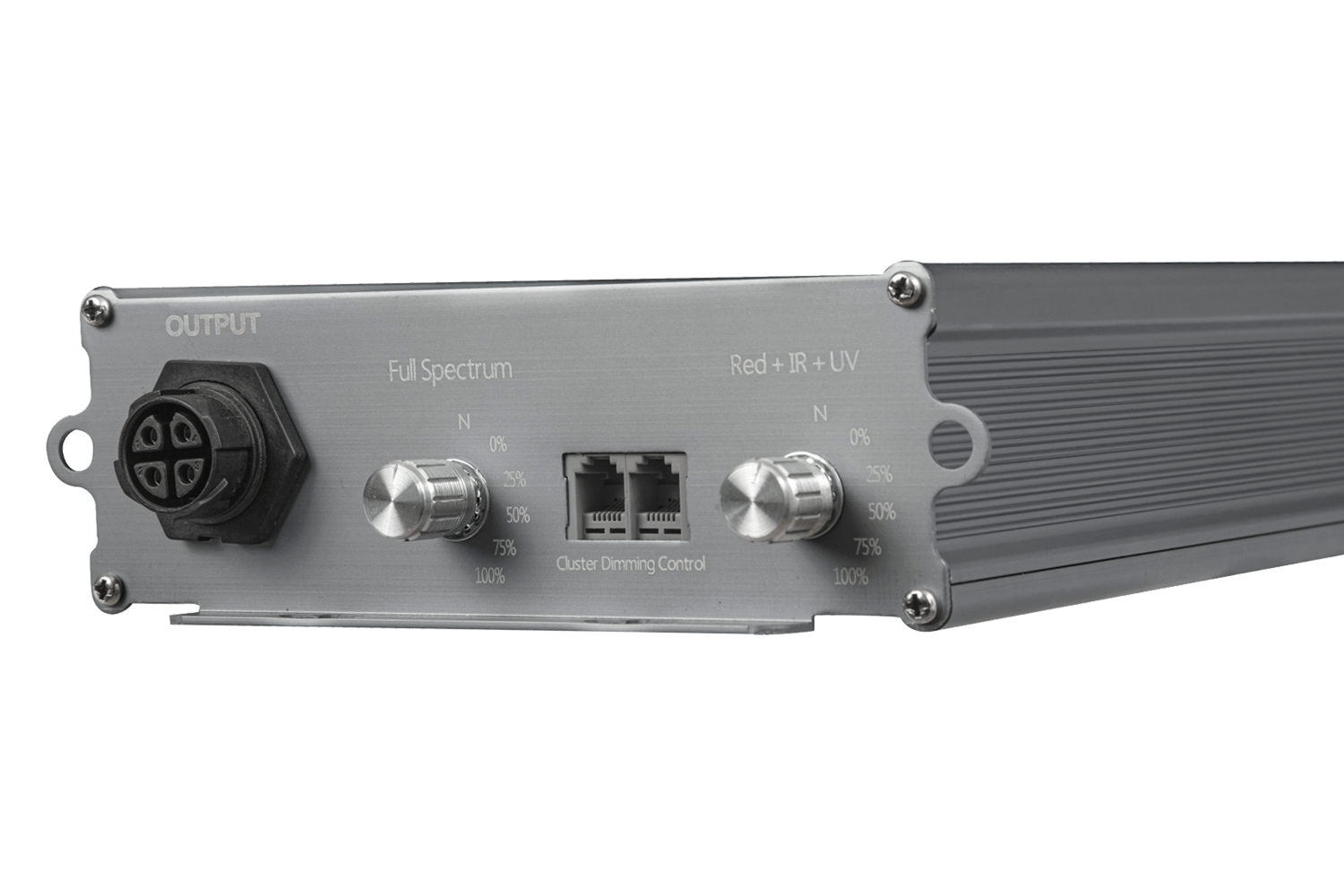
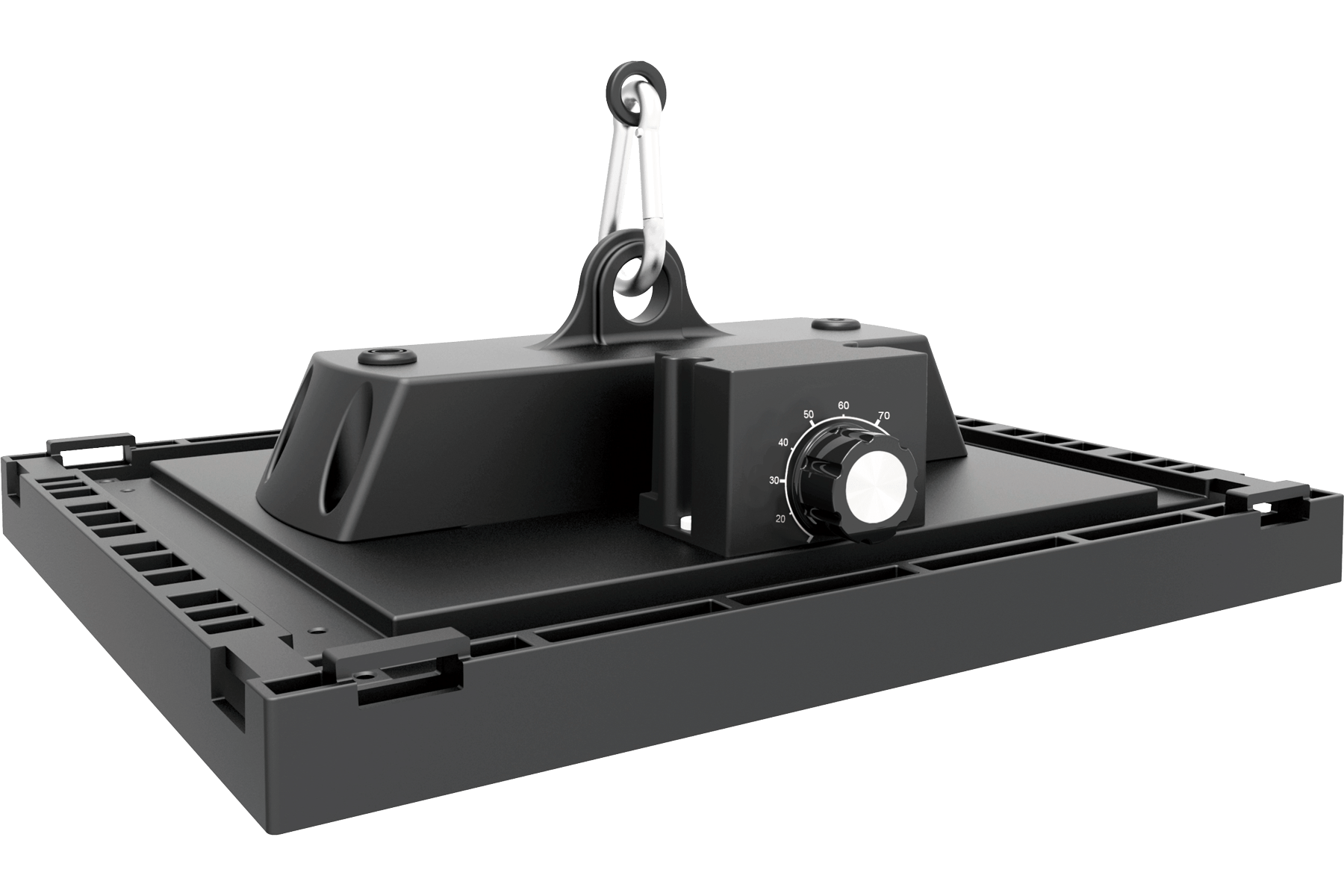
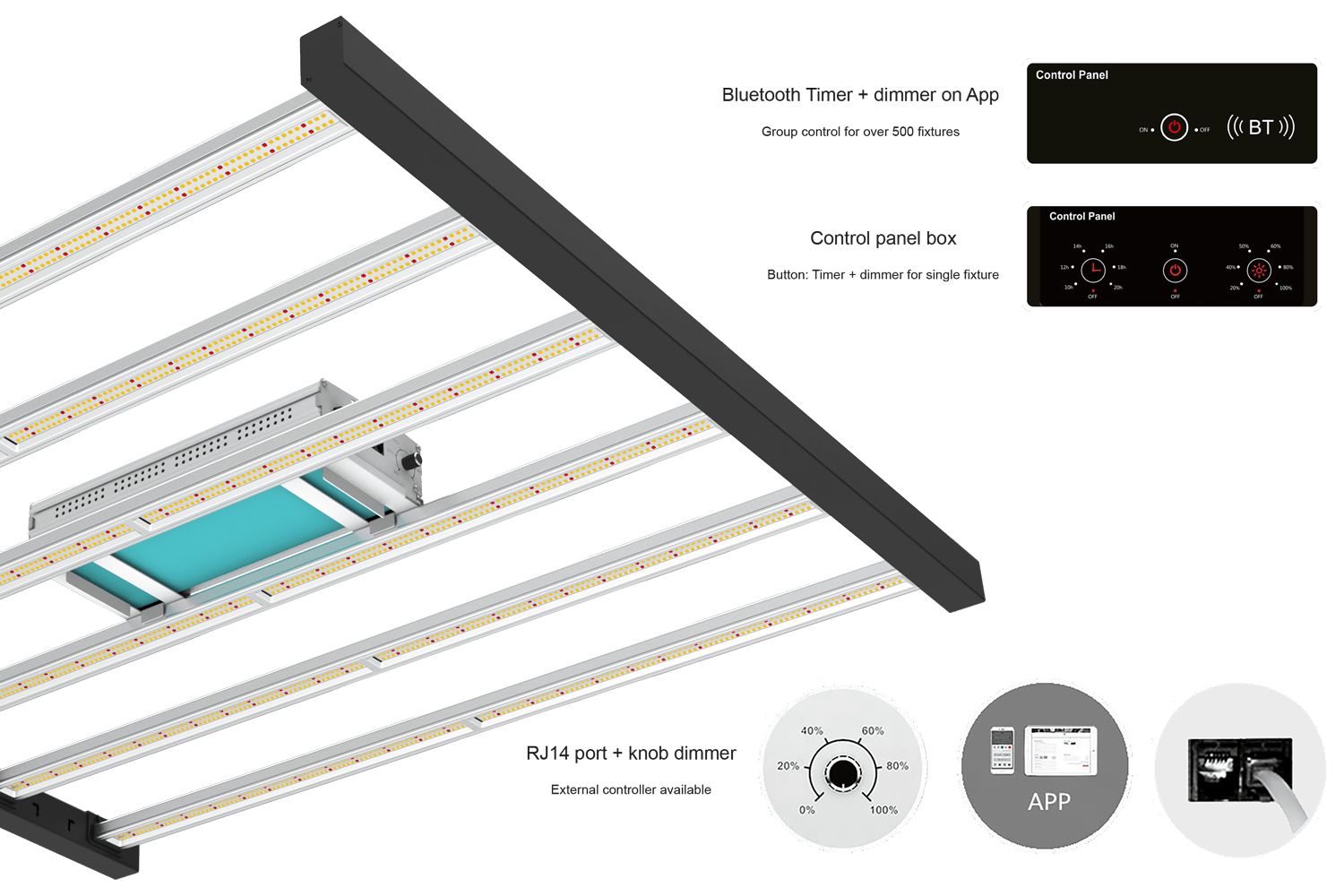
Many modern LED grow lights are dimmable. This allows the light intensity to be adjusted to the growth phase, the crop, and the distance between the lamp and the plants. With some systems, multiple fixtures can also be controlled centrally.
Want to know more about the differences?Read our comprehensive comparison of LED vs. HPS grow lightsand discover the differences in efficiency, spectrum, heat, and light output.
What should you look for when buying an LED grow light?
When choosing an LED grow light, wattage is not the only thing you should look at. Efficiency, total light output, light distribution, and spectrum together determine which lamp is suitable for your plants and grow room.
Efficiency and light output
In addition to power in watts, look at the efficiency in µmol/Jand the total light output in µmol/s. Higher efficiency means that a larger portion of the electrical power consumed is converted into usable light for plants. For the actual amount of light on the crop, the light distribution of the fixture is also important.
Lighting area and hanging height
Match the size and power of the LED grow light to the surface to be illuminated. Good light distribution helps to prevent large differences in light intensity between the center and the edges of the growing area. The optimal hanging height varies by lamp, power, and growth phase.
Light spectrum
For general use, a full-spectrum LED grow lightis a versatile choice. These lamps combine different wavelengths that plants can utilize during growth and flowering. Depending on the fixture, additional wavelengths such as 660 nm deep red and 730 nm far-red can be applied.
Dimmability and control
With a dimmable LED grow light, you can adjust the light intensity without constantly changing the hanging height. Some fixtures can also be linked or controlled with an external controller, which is especially practical when using multiple grow lights.
Quality of LEDs, driver, and cooling
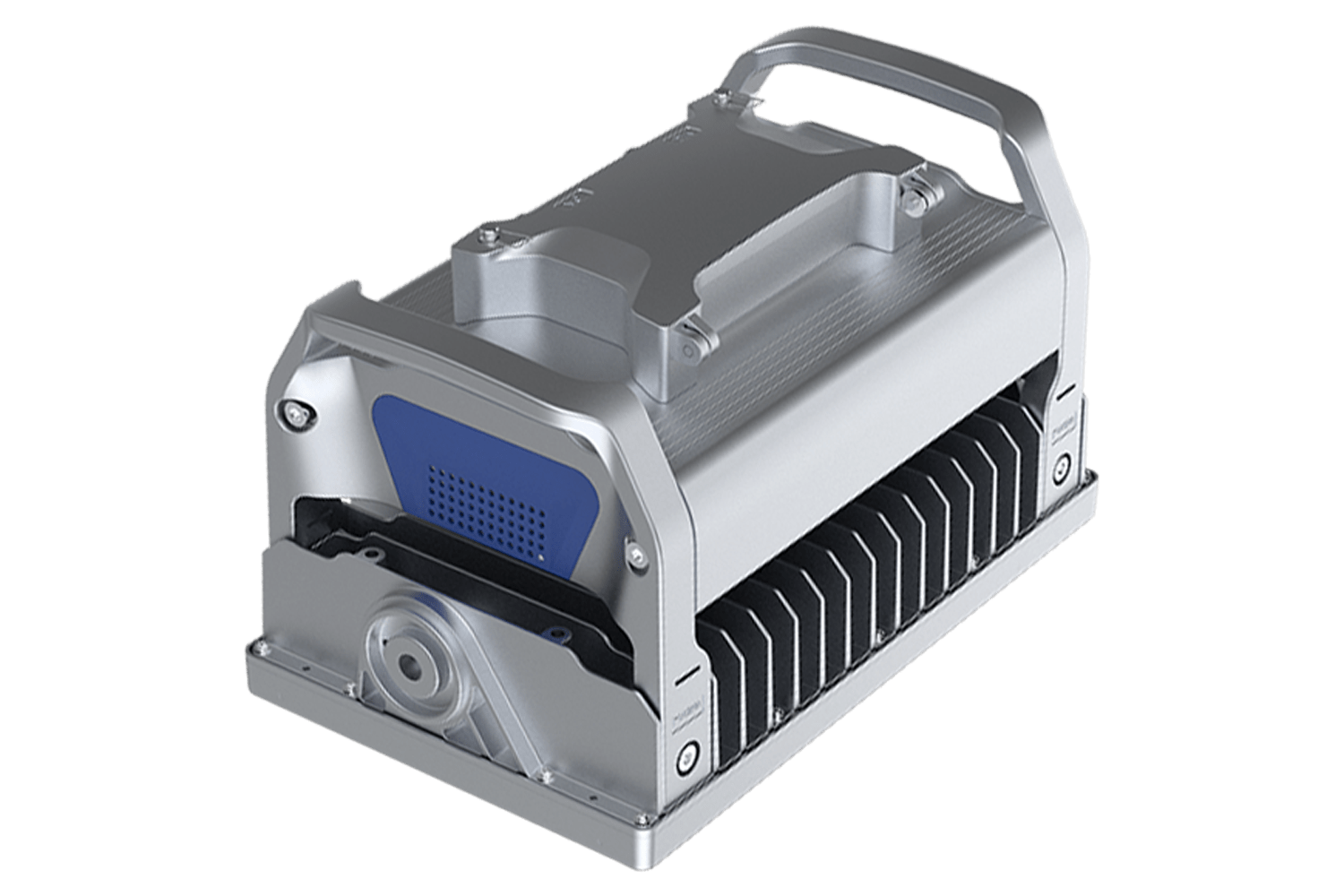
The quality of the LEDs and driver affects the efficiency, reliability, and lifespan of the fixture. Good heat dissipation is also important to keep the components within their optimal operating temperature.
Protection against moisture
If the lamp is used in a humid grow room, pay attention to the IP rating. This indicates the extent to which the fixture is protected against elements such as dust and water. Which IP class is required depends on the conditions under which the lamp is used.
In our range, you will find LED grow lights from various specialized manufacturers, including Hortilight, Fluence, Lumatek, and Spectrabox.
Frequently asked questions about LED grow lights
Which LED grow light do I need?
That mainly depends on the surface to be illuminated, the crop, and the growth phase. Do not look only at the wattage of the grow light, but also at the light output in µmol/s, the efficiency in µmol/J, and the light distribution of the fixture.
Is a full-spectrum LED grow light suitable for growth and flowering?
Yes. A full-spectrum LED grow light combines different wavelengths and can therefore be used during both the vegetative growth and flowering phases. The exact spectrum varies per model.
How high should an LED grow light hang above the plants?
The correct hanging height varies by lamp and depends on factors such as the power, light distribution, the set dimming level, and the light requirements of the crop. Therefore, it is best to follow the recommendations for the specific fixture.
How long does an LED grow light last?
Quality LED grow lights are designed for many thousands of operating hours. The actual lifespan and retention of light output depend on factors such as the LEDs used, the driver, operating temperature, and cooling.
Is LED grow lighting more economical than HPS?
Modern LED grow lights can produce more usable plant light per watt than traditional HPS lighting. The actual energy savings in practice depend on the efficiency of both systems and the desired light level on the crop.
Want to know more?View our FAQfor additional information about grow lighting and the use of our products.
Help with choosing an LED grow light
Not sure which LED grow light best suits your grow room? We are happy to help you determine the right power, lighting area, and type of fixture. Please contact us for personal advice.
📞 Call: +31 (0)58-2890653
📧 Email: info@kweekverlichting.nl



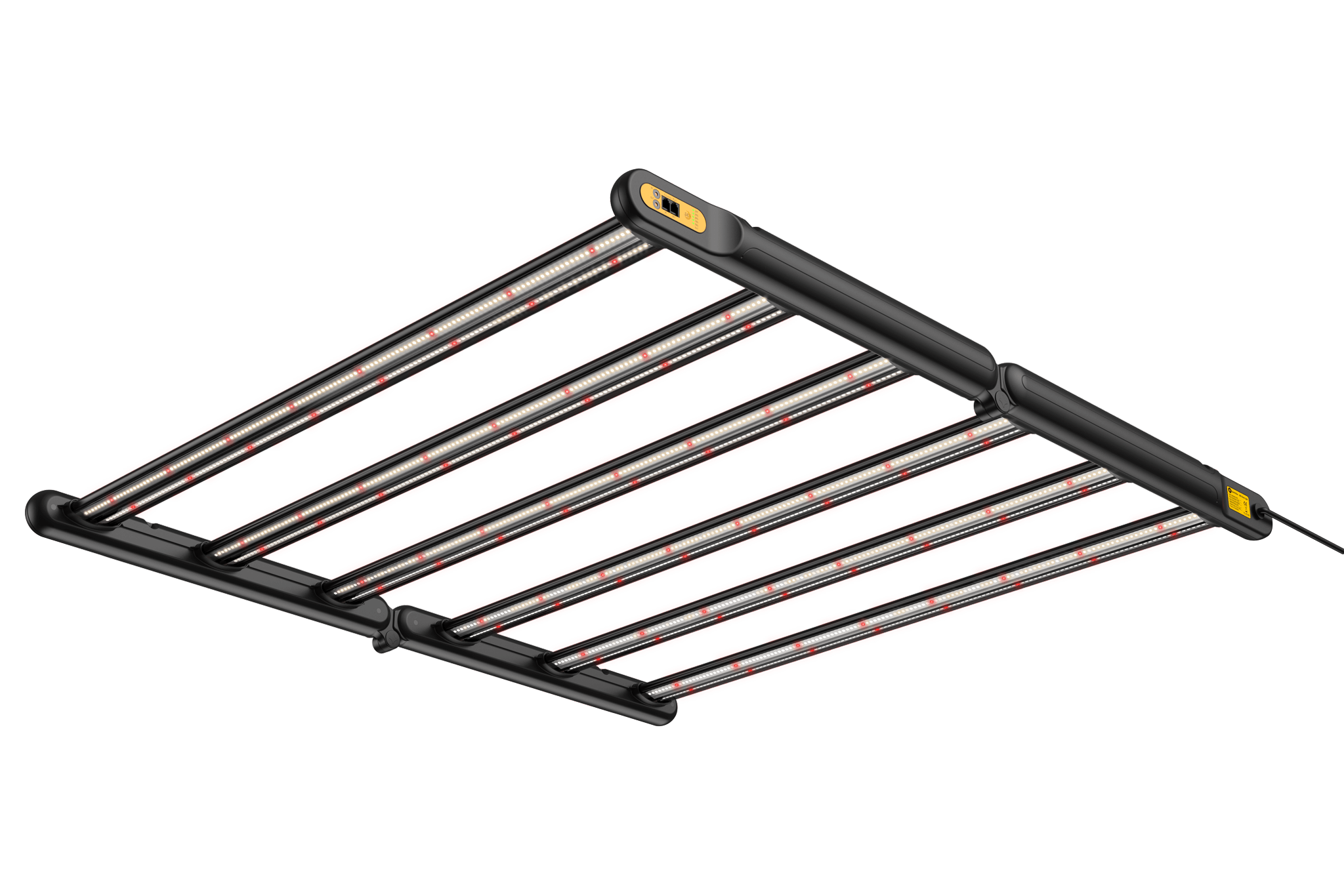
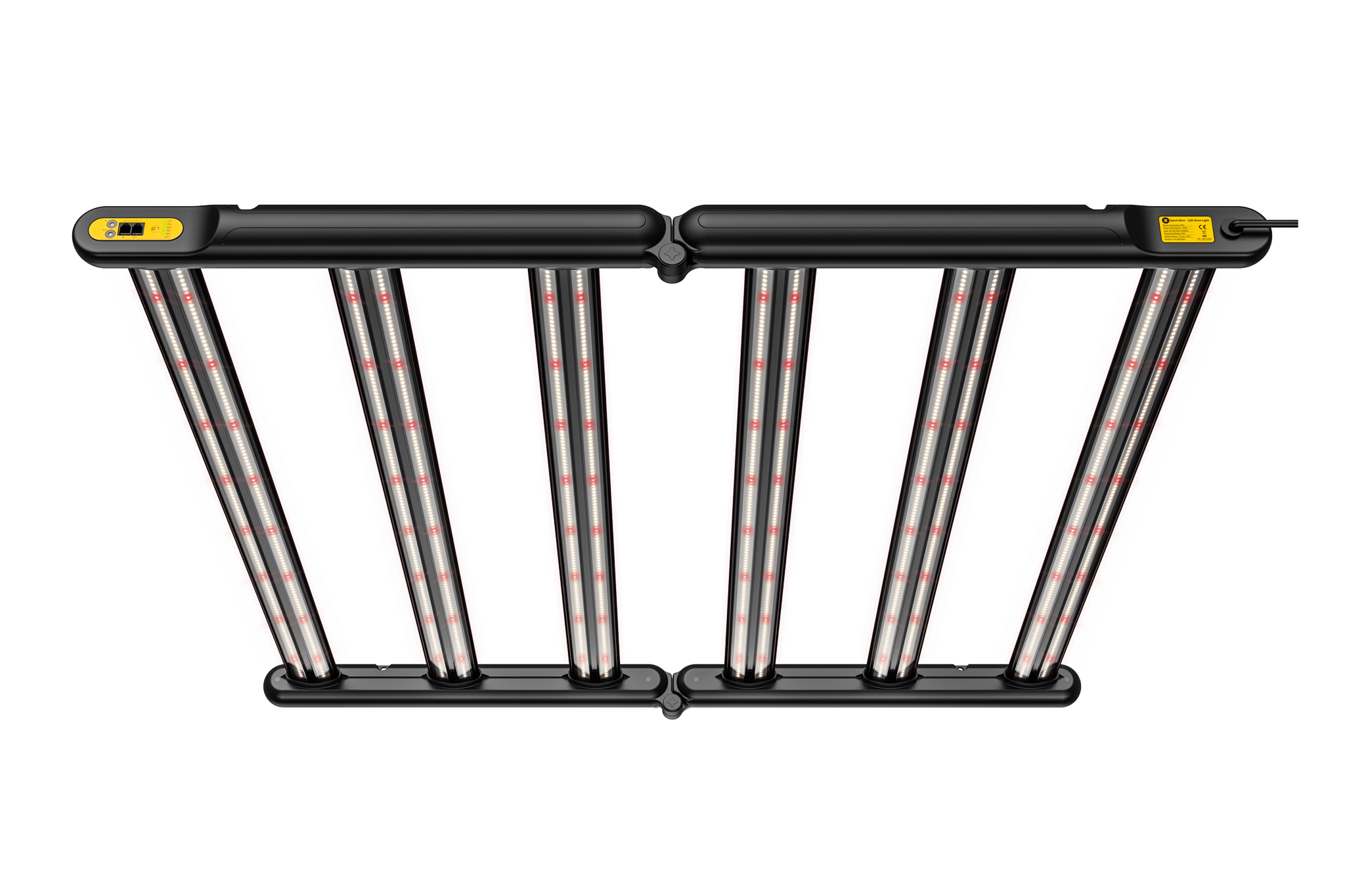
 720W Spectrabox PRO