Which grow light do you need?
Which grow light is the most suitable depends on the crop, the growth stage, the area to be illuminated, and the conditions in the grow room. Grow lights are also called cultivation lamps and are specifically intended to provide plants with the light they need for their growth and development. Energy consumption, heat generation, light spectrum, and the desired light intensity also play an important role.
There are different types of grow lighting. LED, HPS, and CMH each have their own properties and applications.
LED grow lights
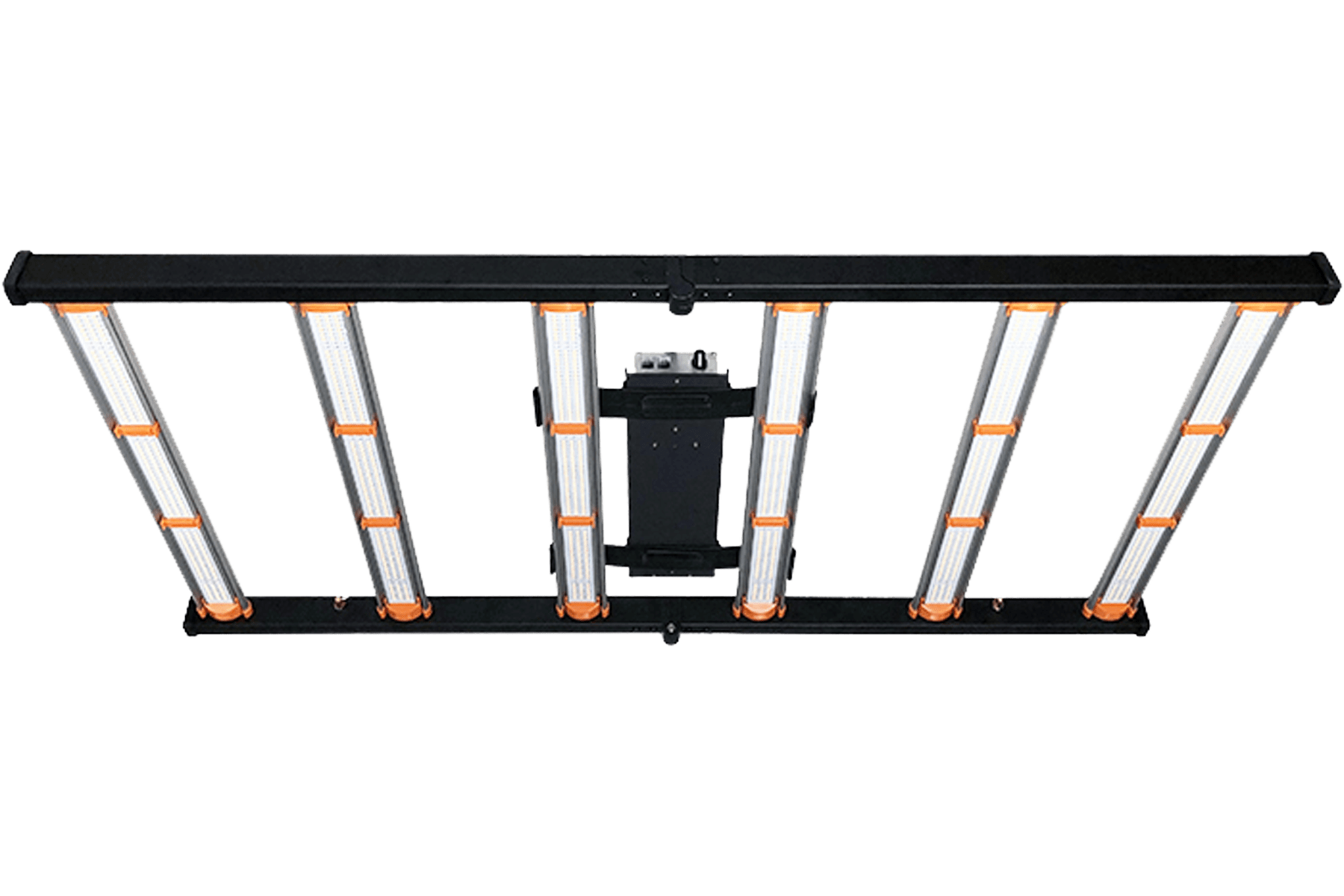
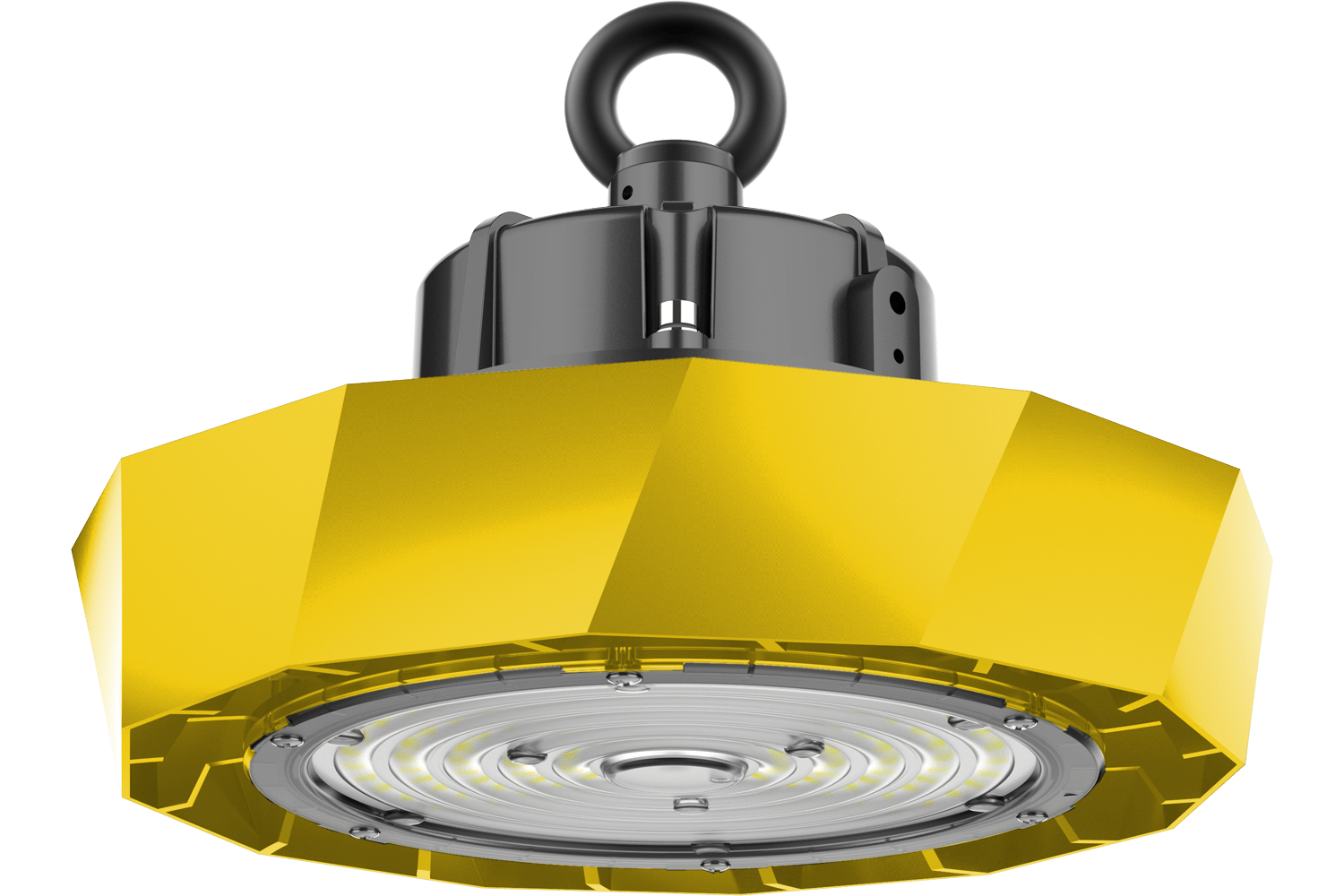
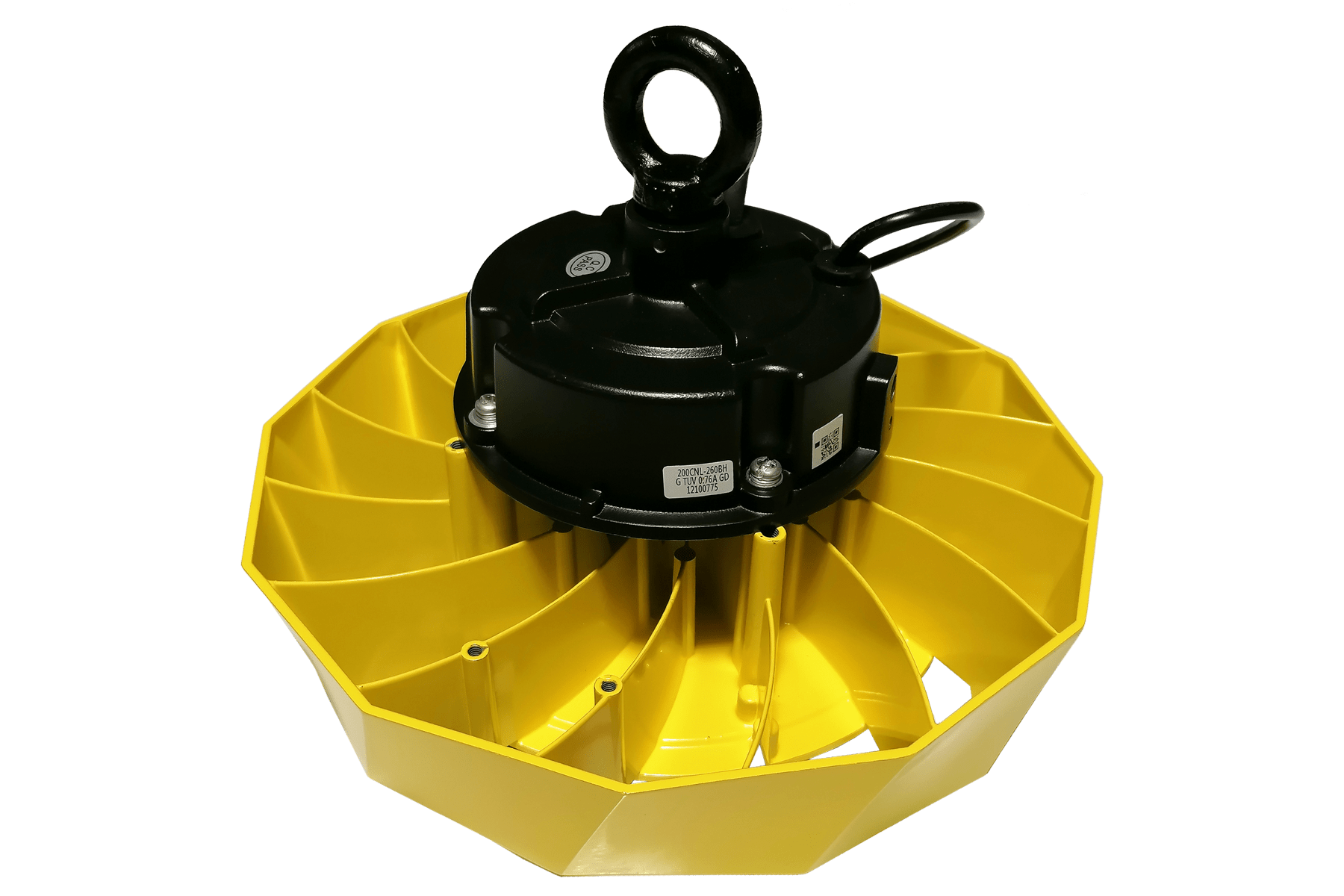
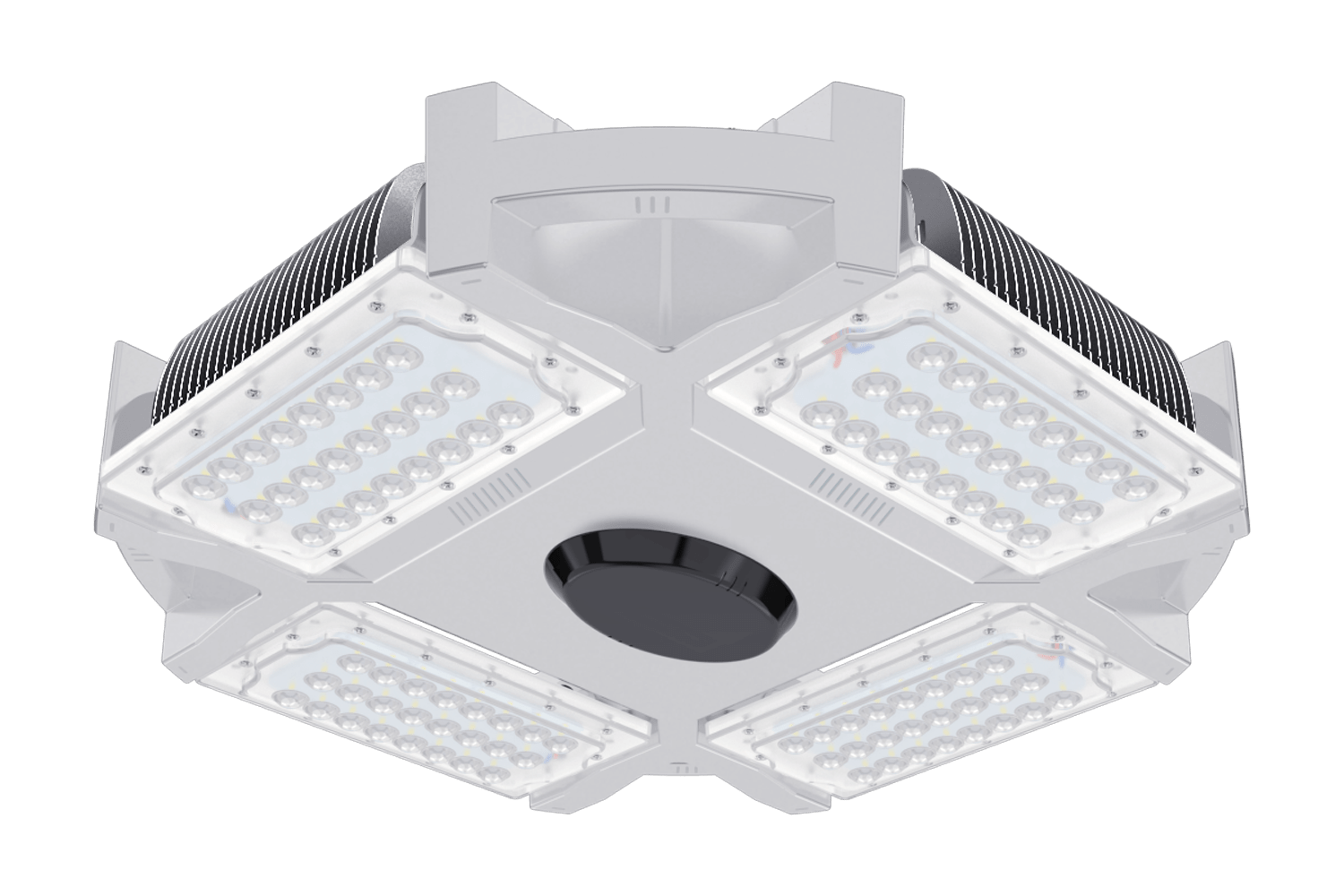
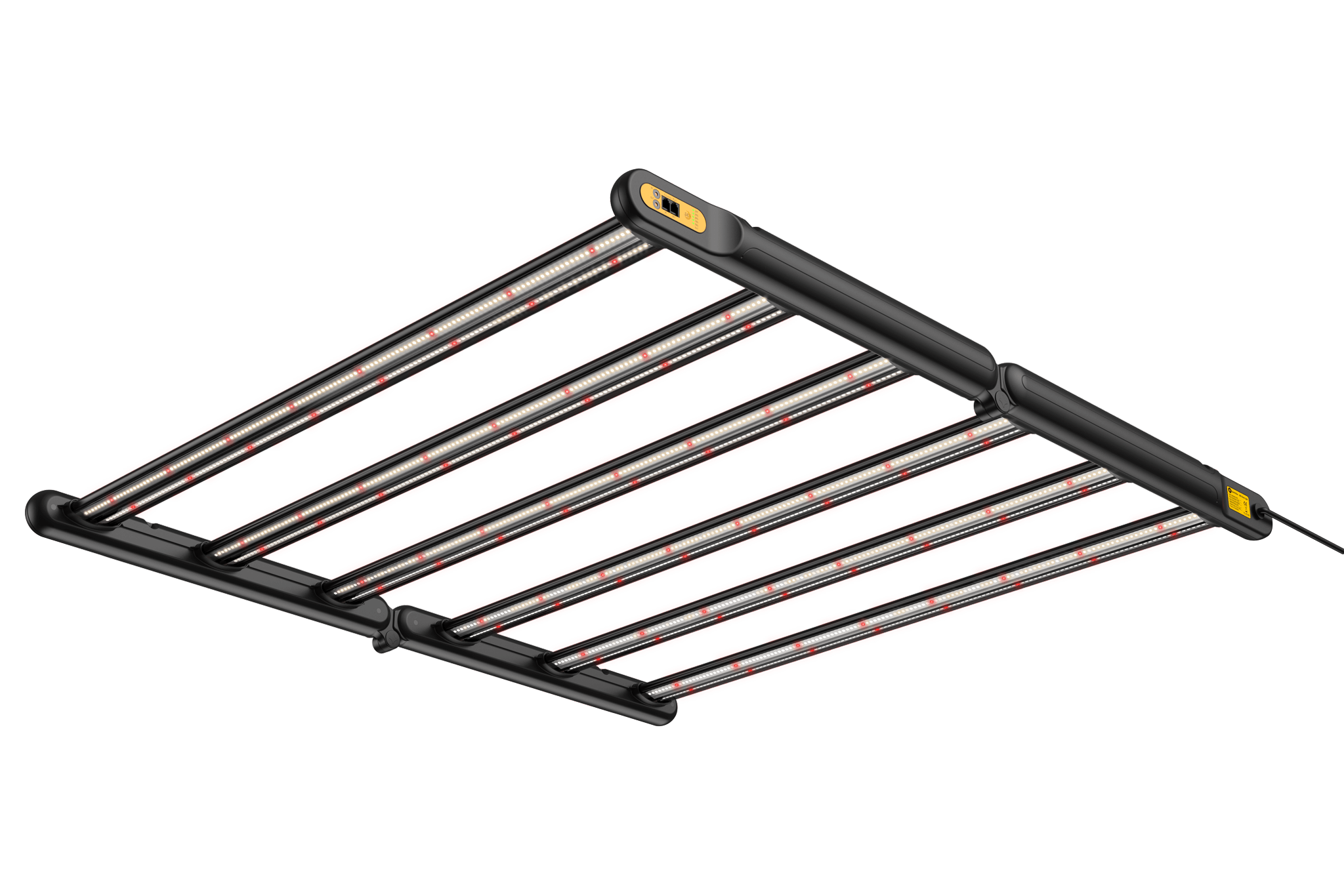
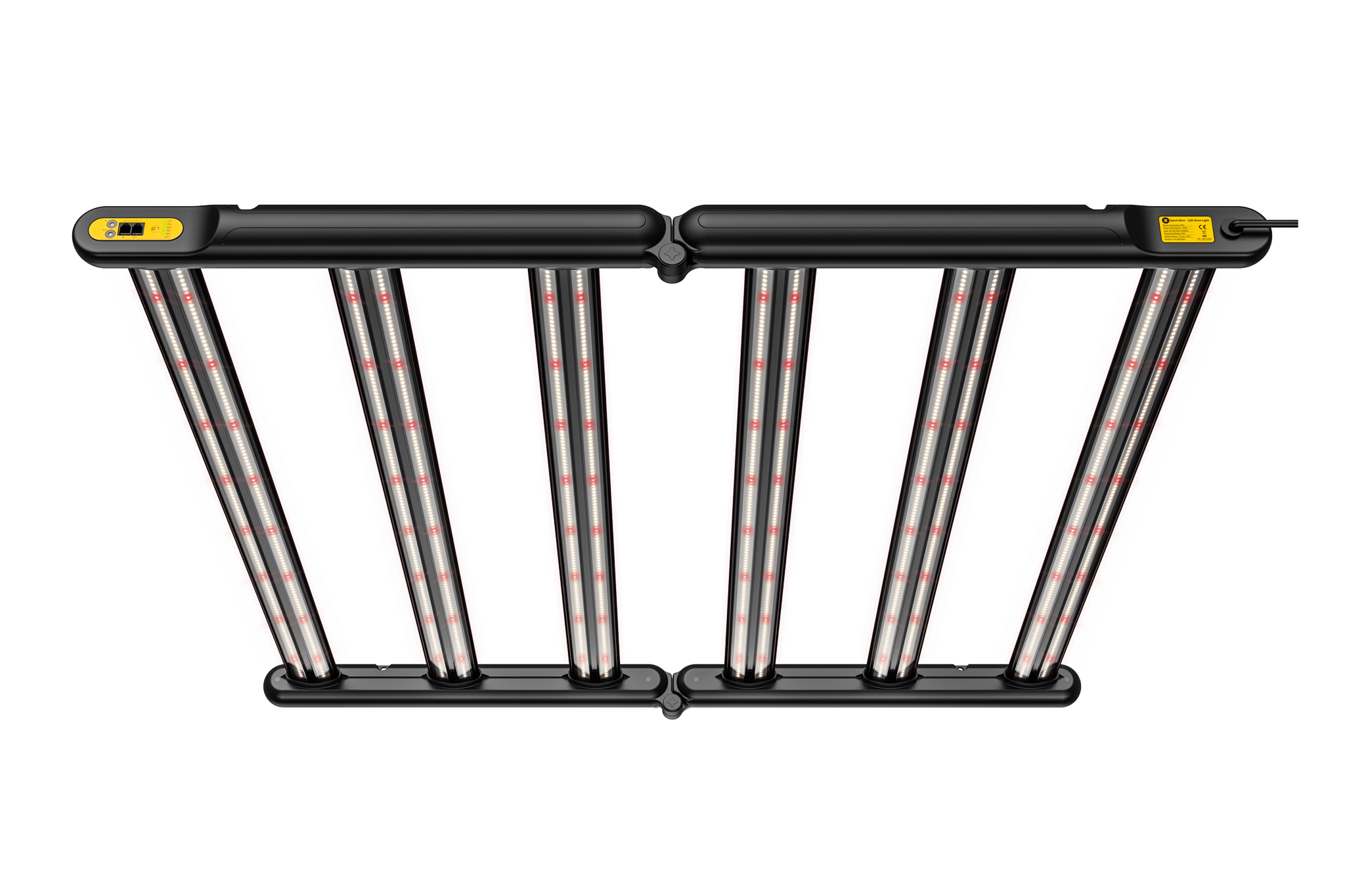
LED grow lights are efficient, versatile, and available in a wide range of power levels and sizes. Modern LED fixtures can combine a high light output with a relatively low energy consumption and are often dimmable.
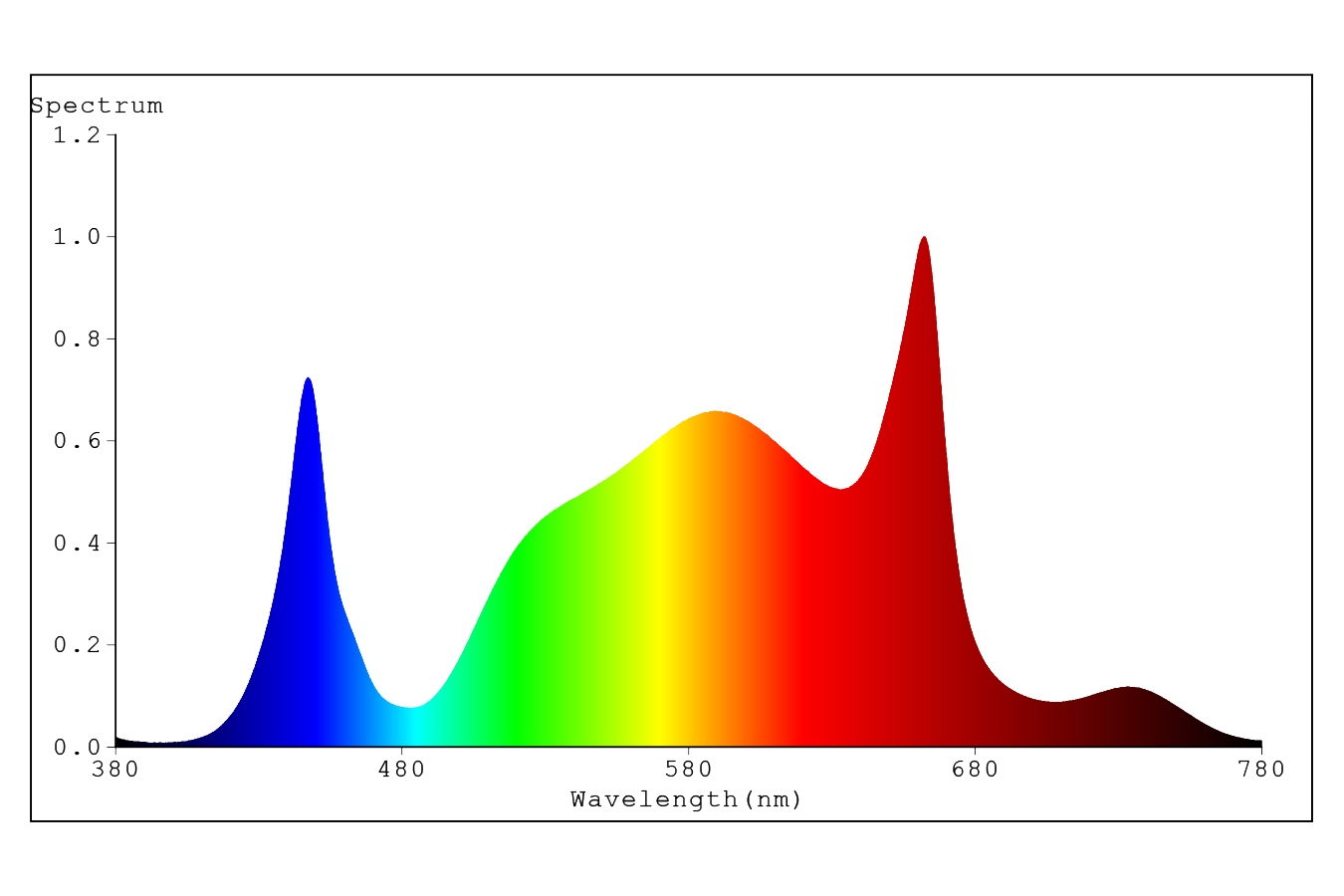
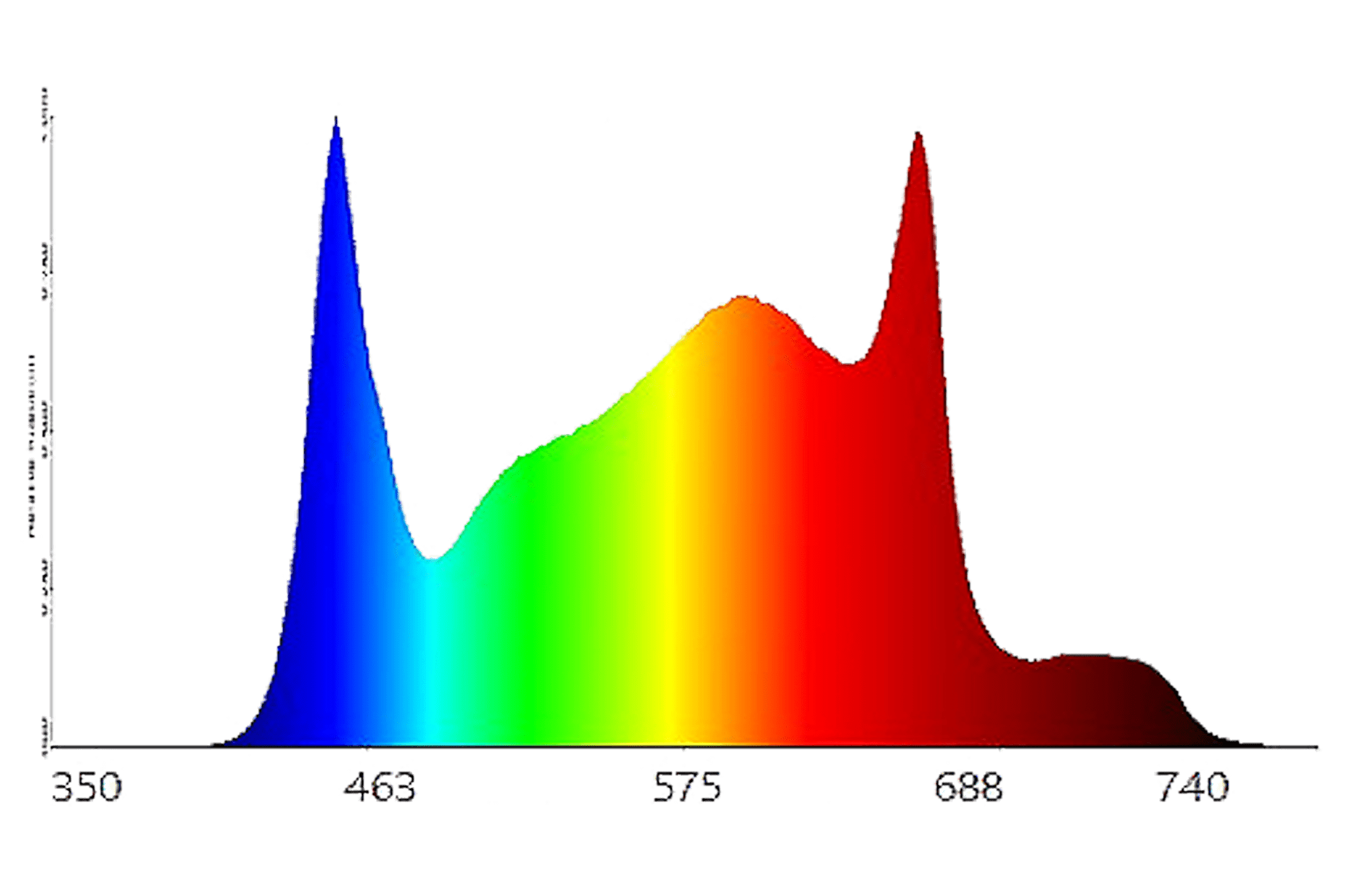
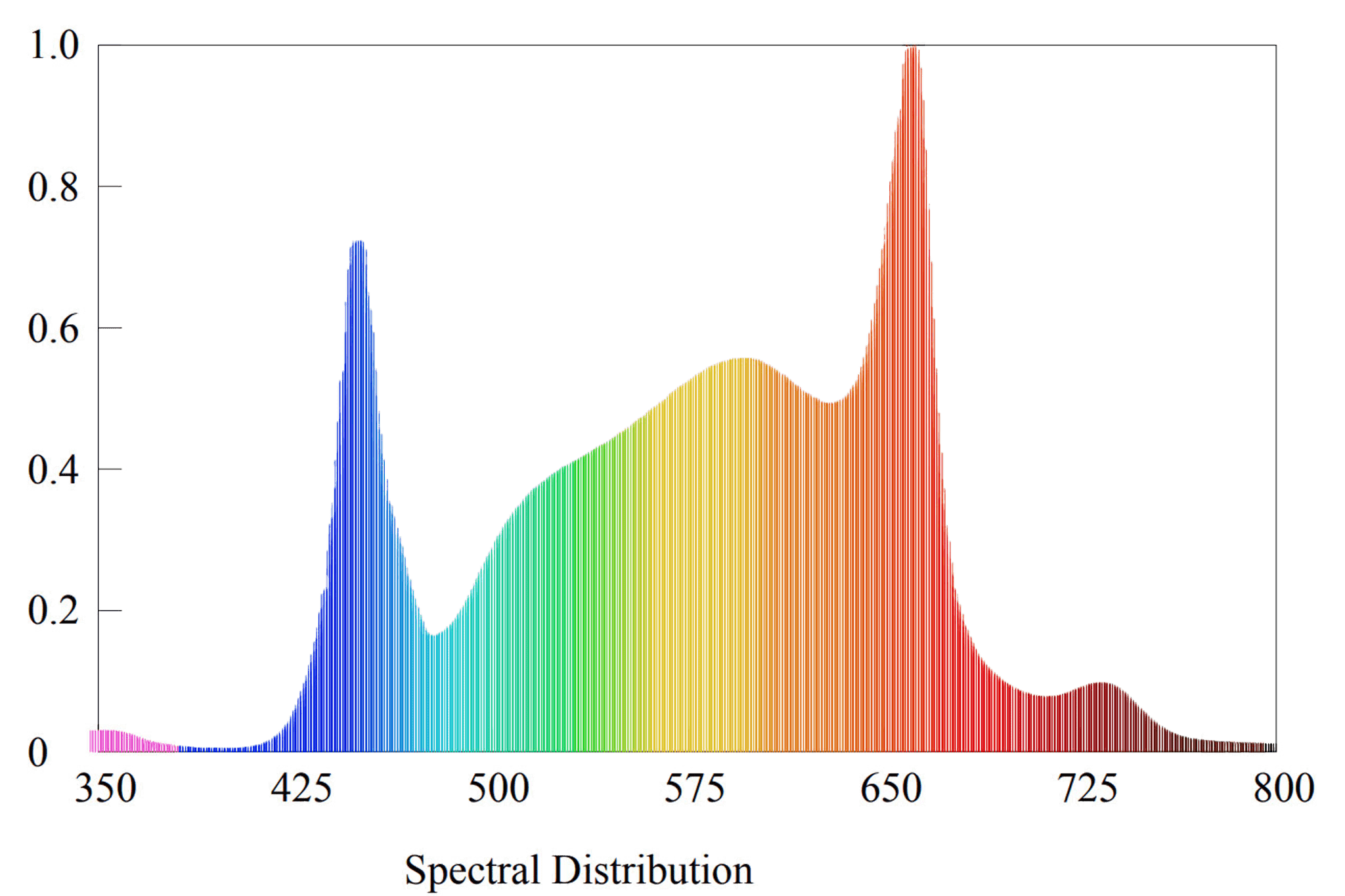
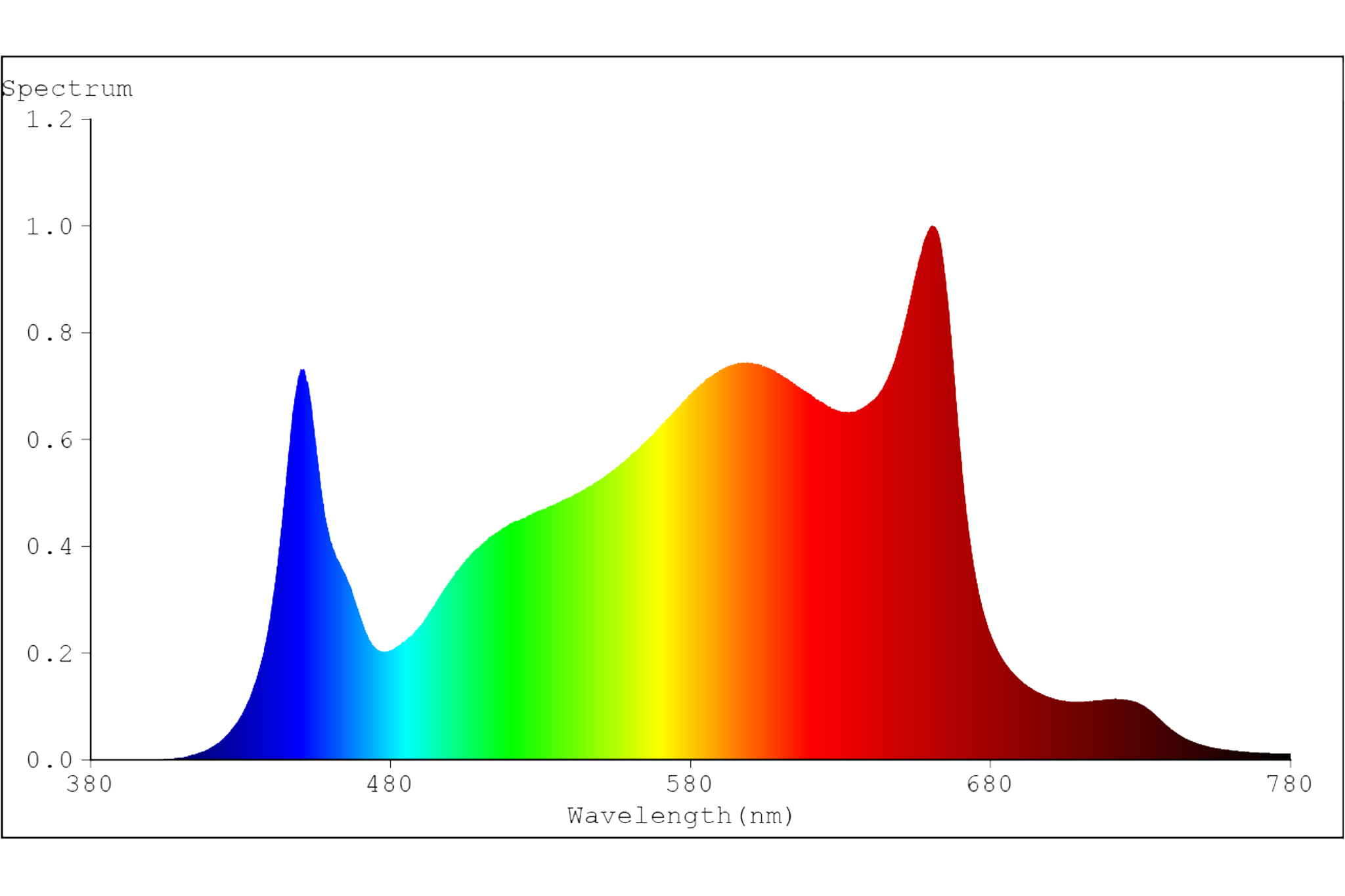
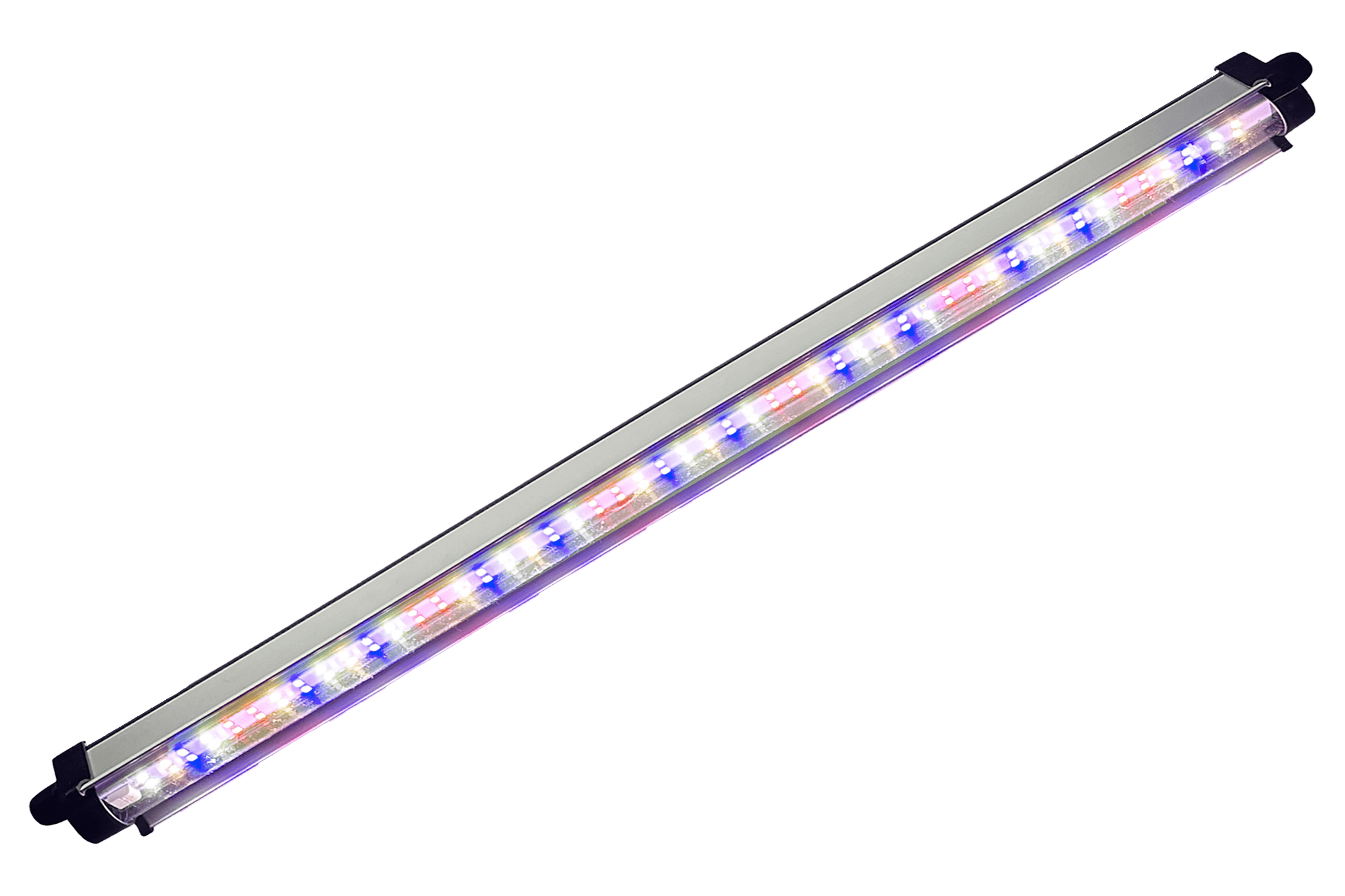
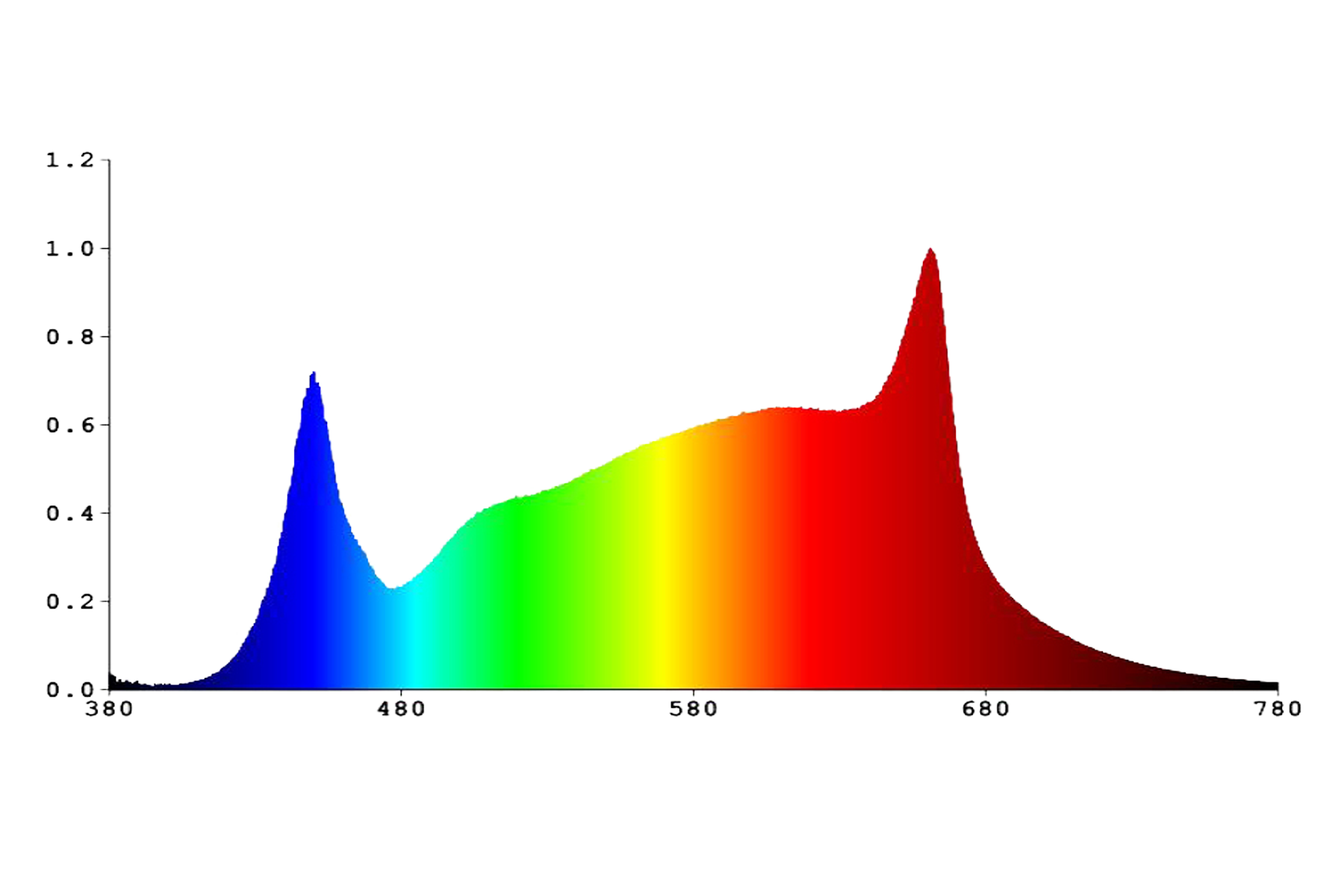
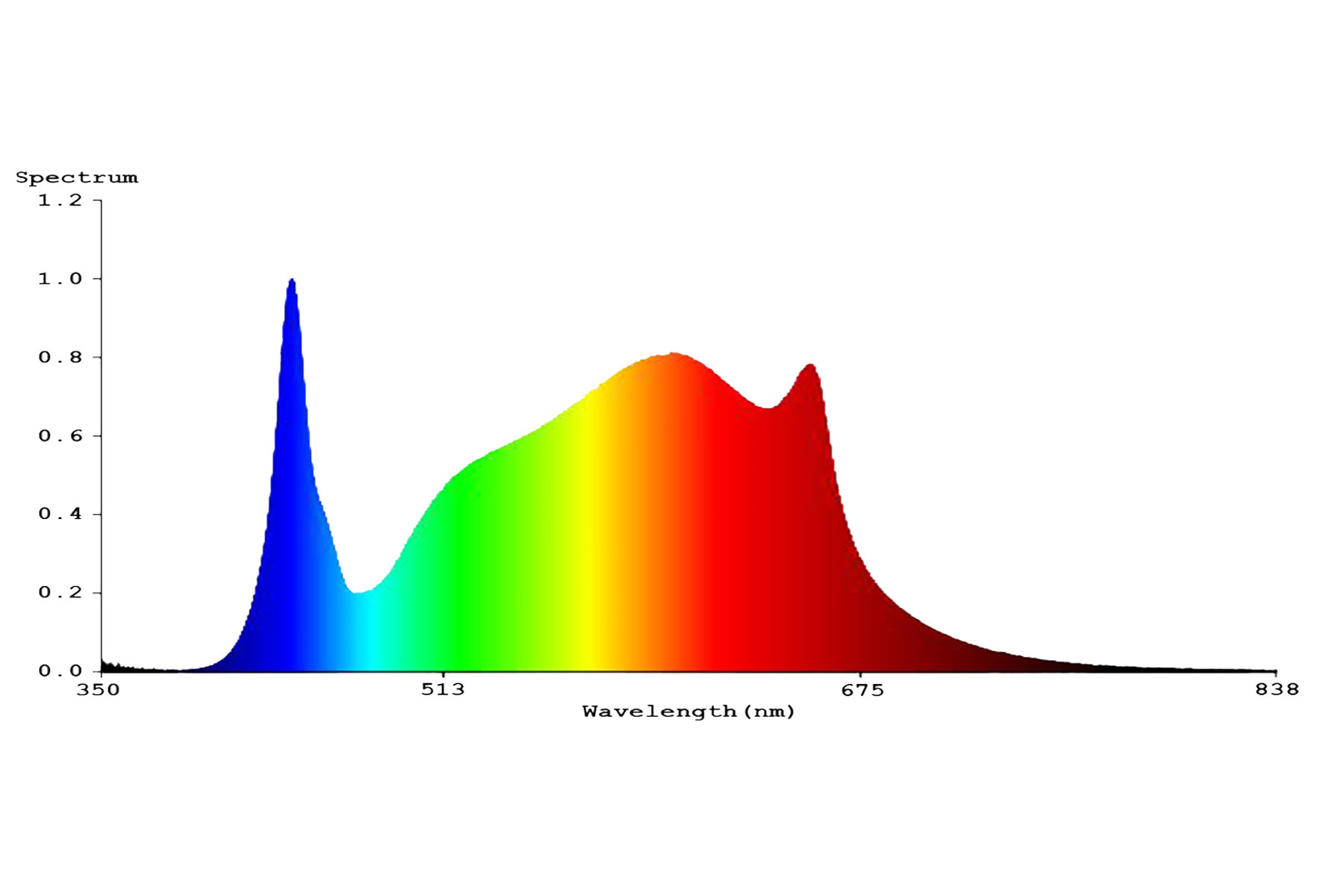
Full-spectrum LED grow lights can be used during both the vegetative growth and flowering phases. Depending on the model, additional wavelengths such as 660 nm deep red and 730 nm far red may be present.
LED is interesting if, for example, you are looking for:
- high light efficiency in µmol/J;
- relatively little radiant heat towards the crop;
- adjustable light intensity;
- a long service life;
- one fixture for multiple growth phases.
HPS grow lights
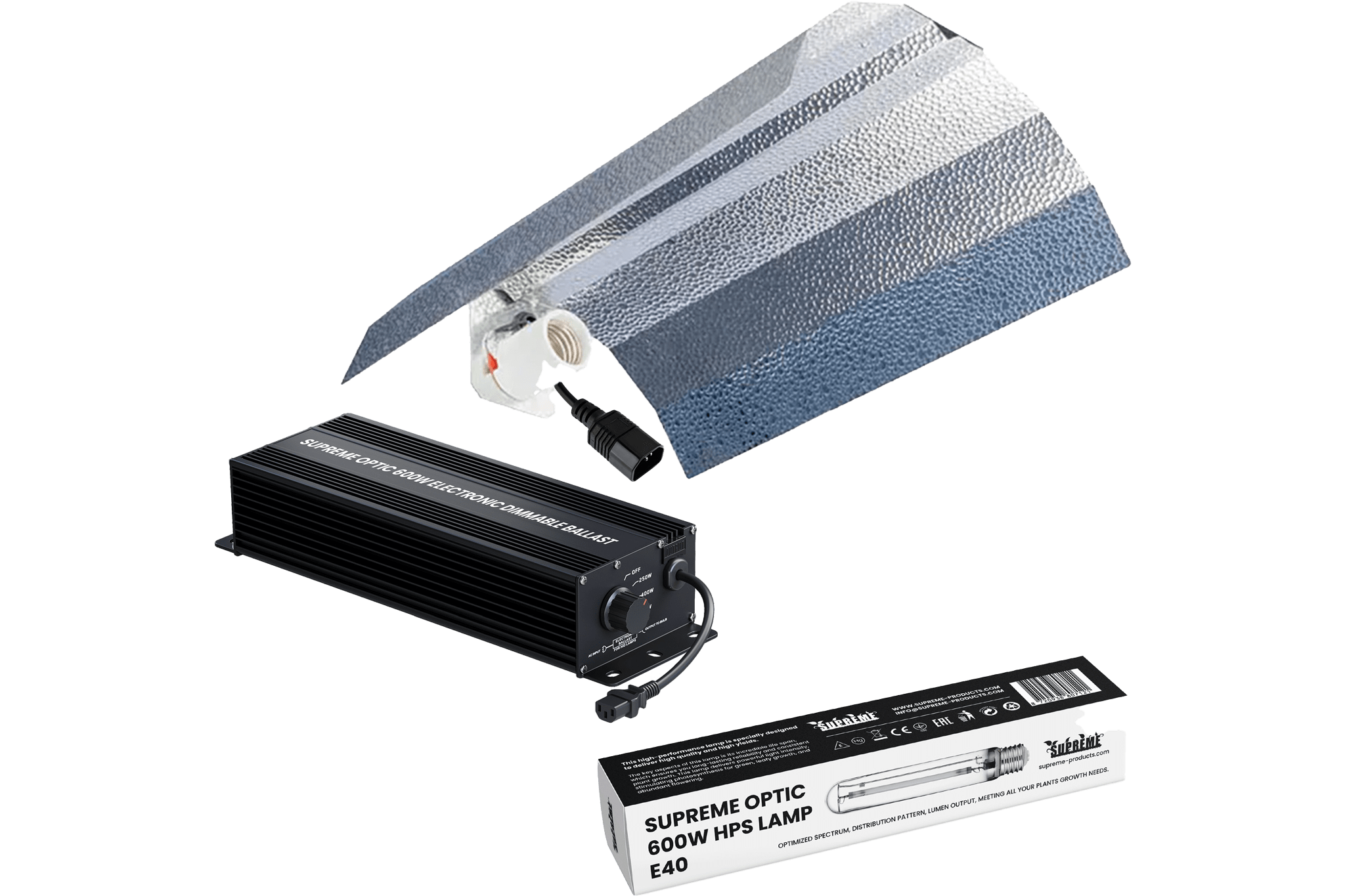
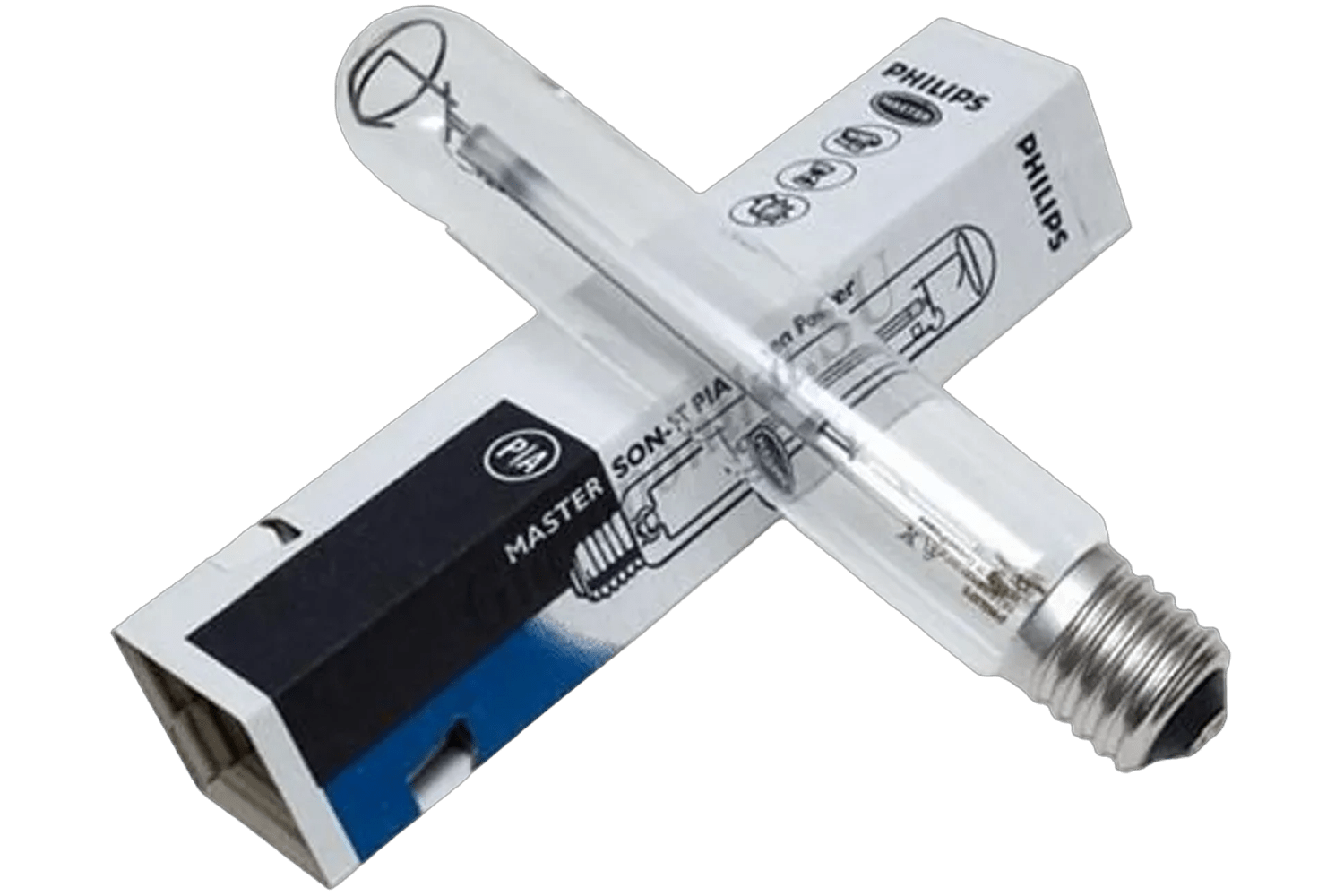
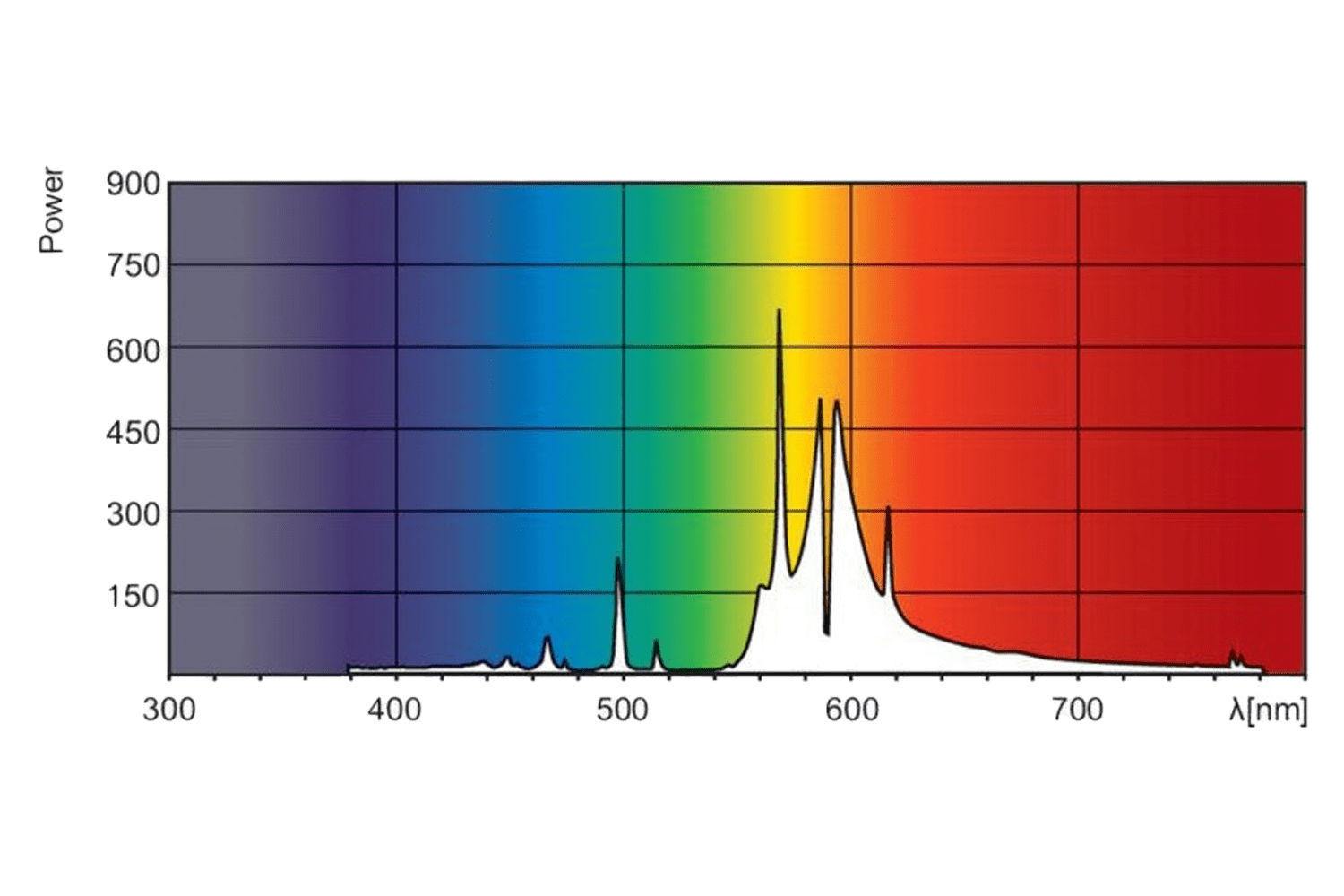
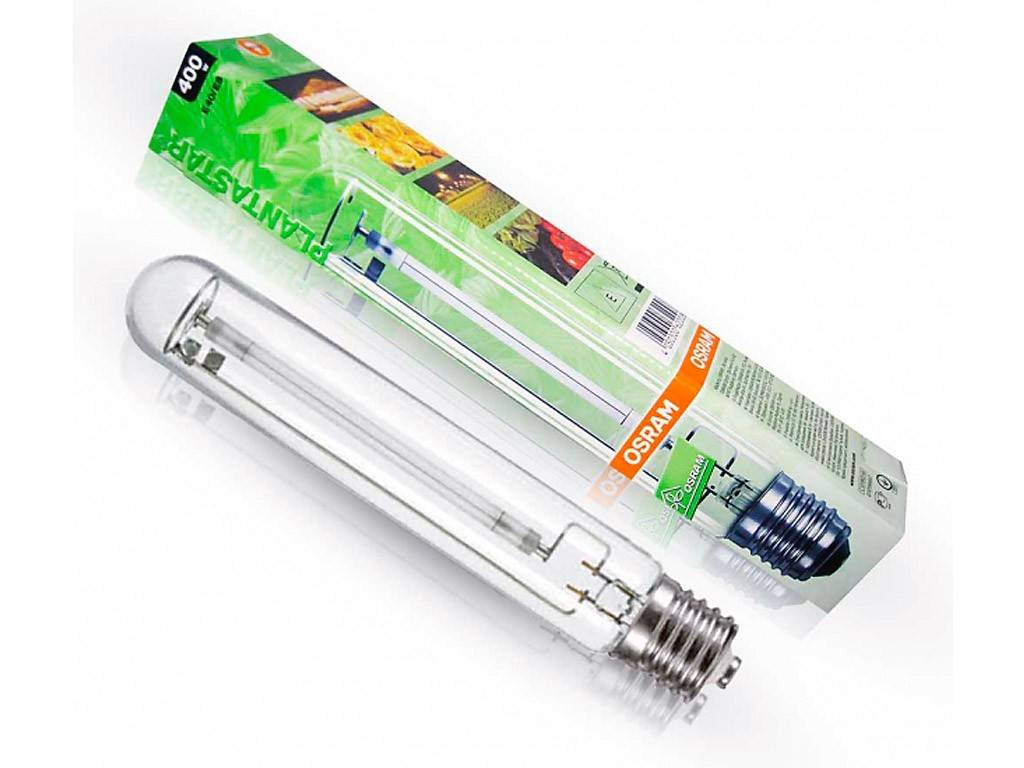
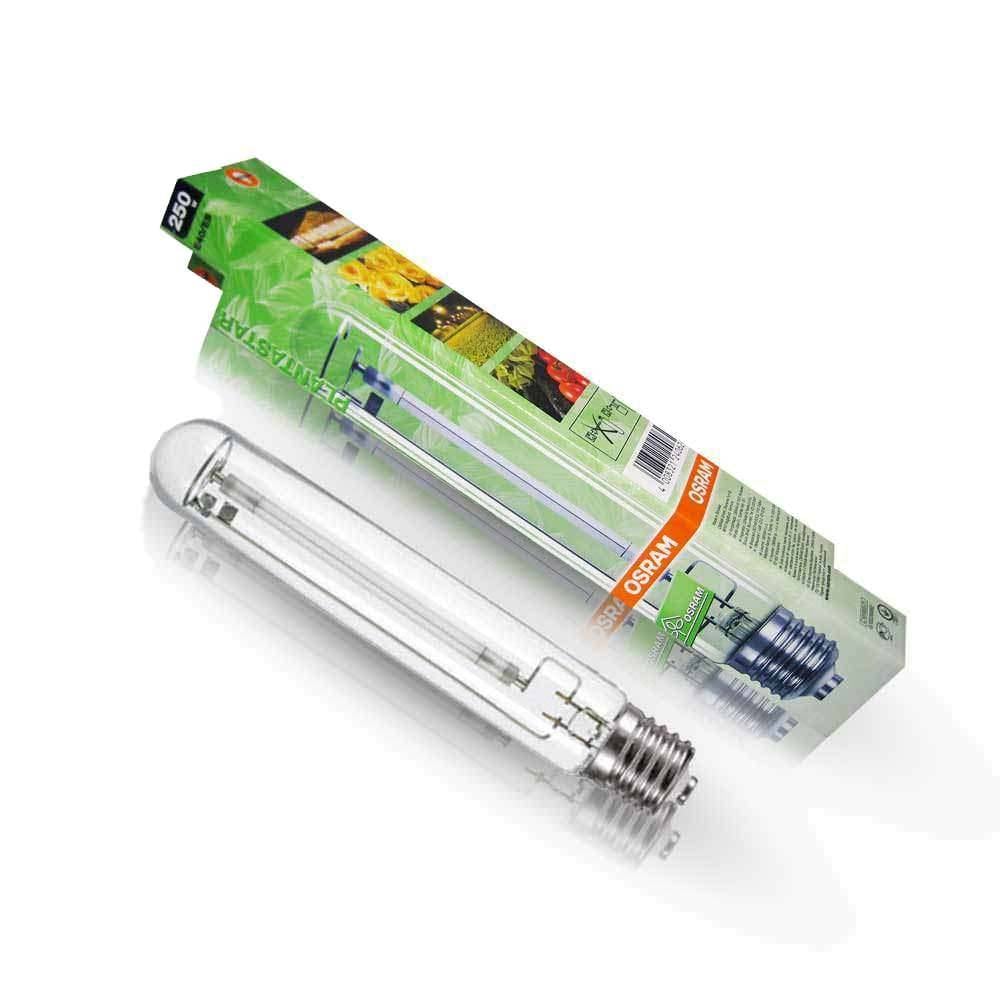
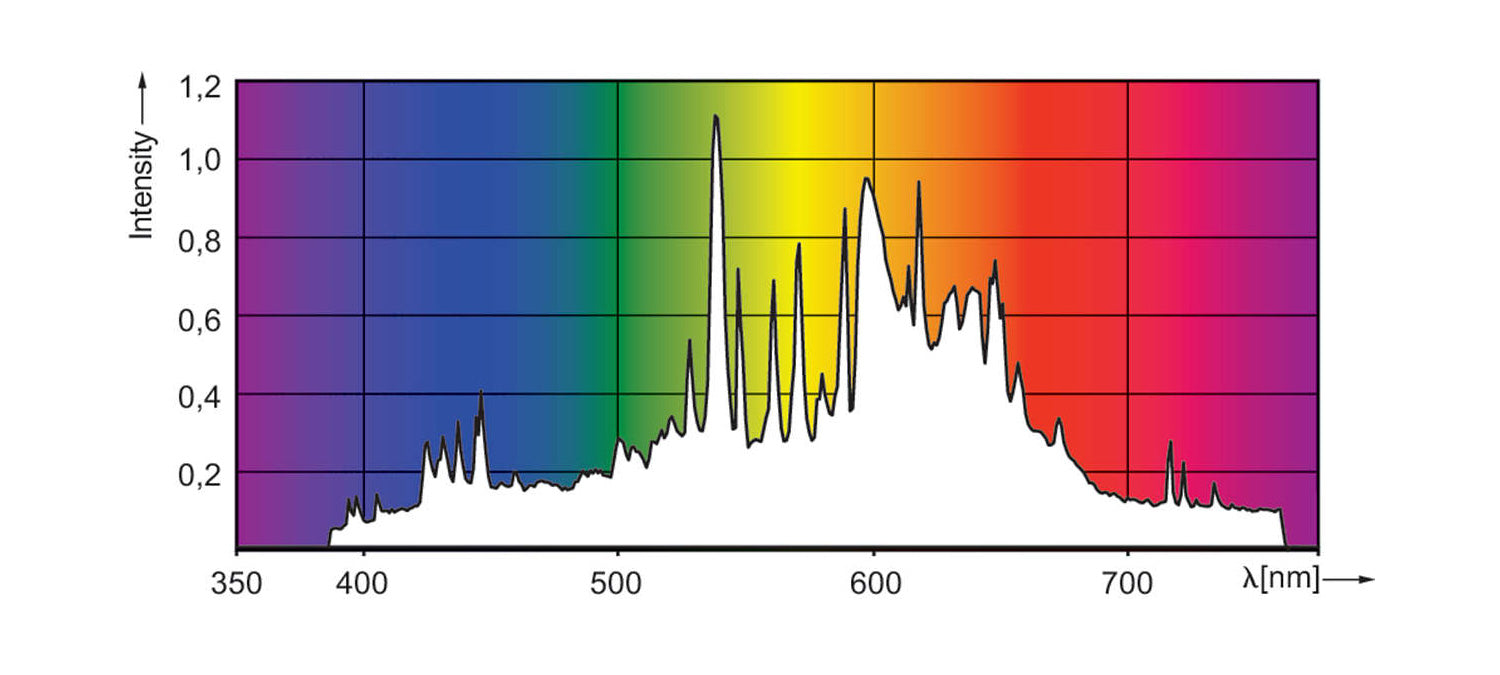
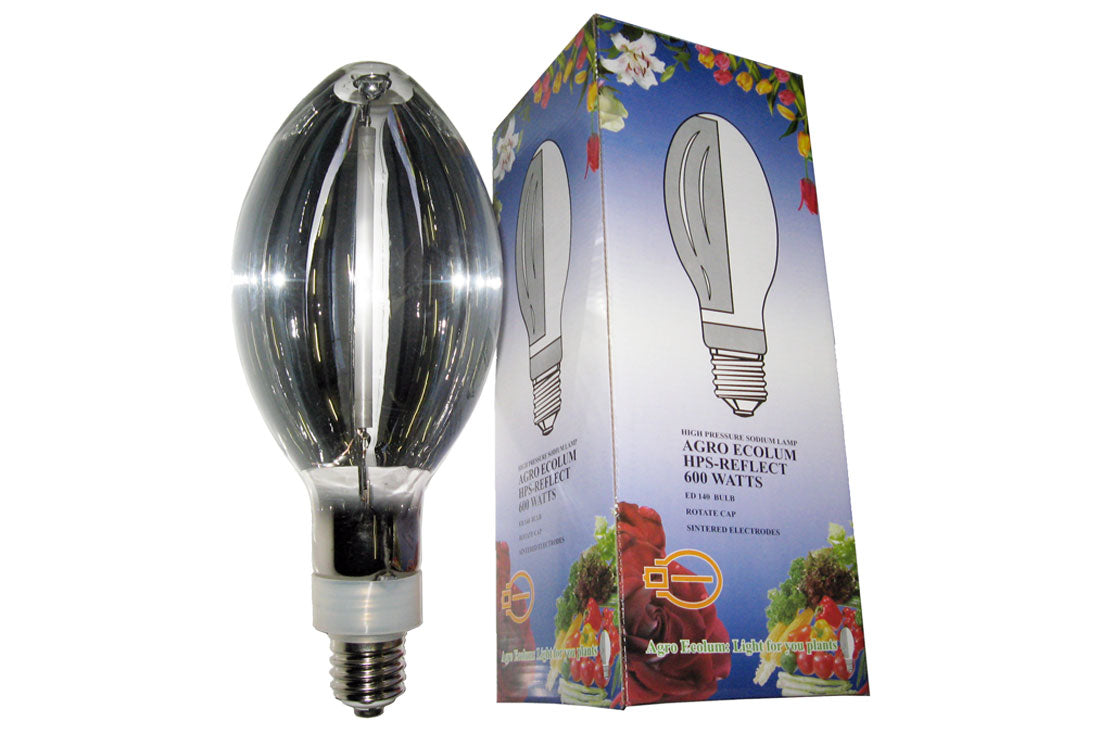
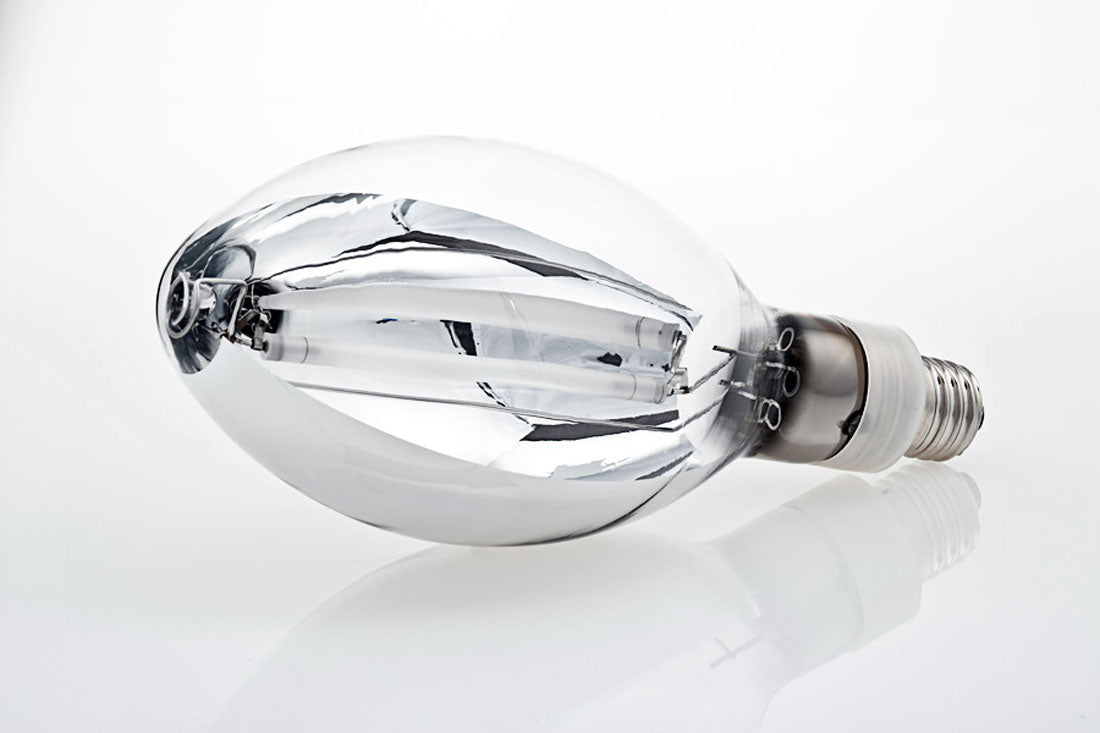
HPS grow lights(High Pressure Sodium) produce a high light intensity and have been used as grow lighting for years. The spectrum contains relatively much yellow, orange, and red light, which is why HPS is traditionally used a lot during the flowering phase.
HPS fixtures are generally cheaper to purchase than high-end LED systems, but produce more radiant heat and are generally less efficient than modern LED grow lights. This requires extra attention to hanging height, temperature, and ventilation.
CMH grow lights
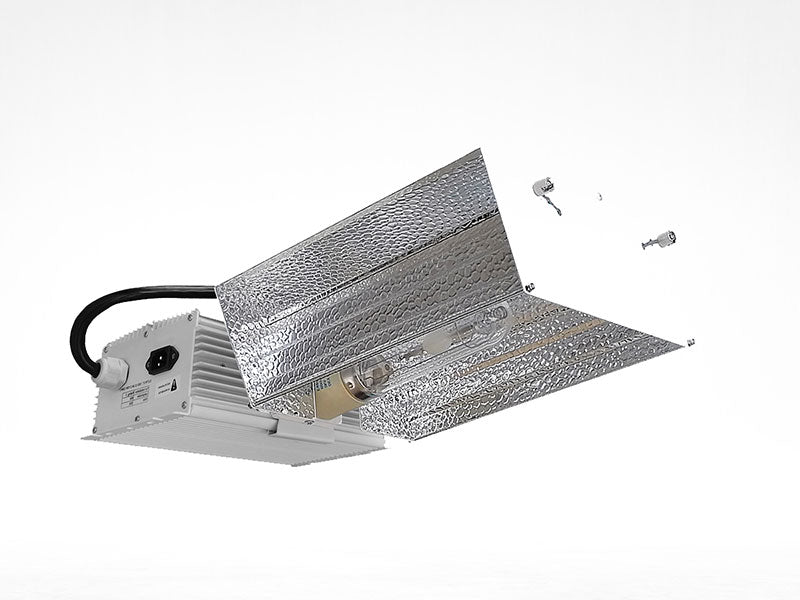
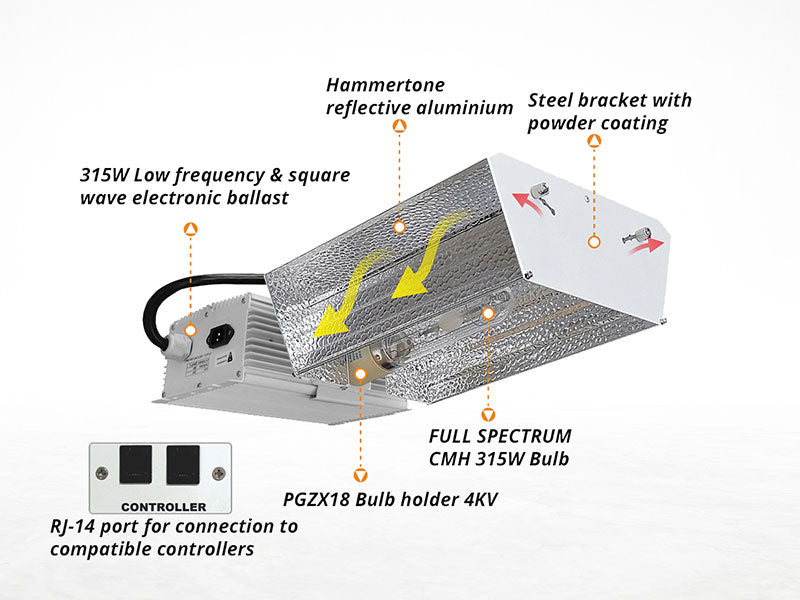
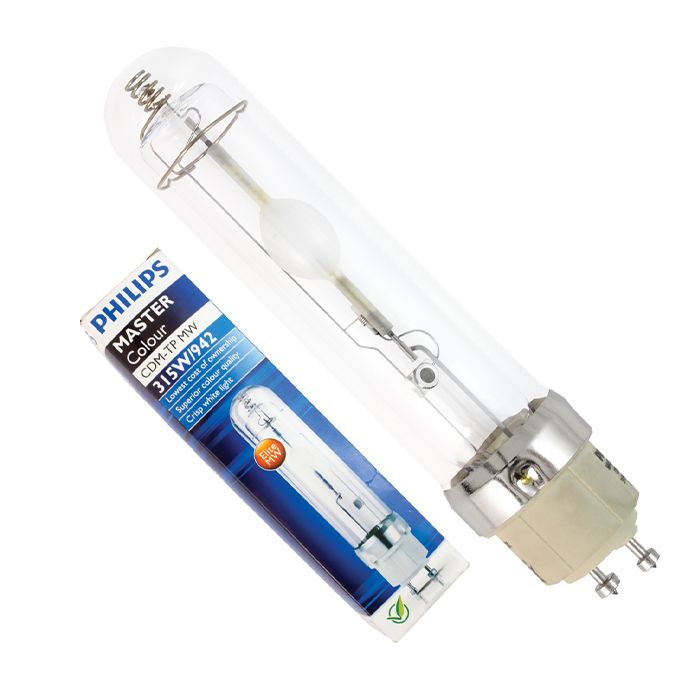
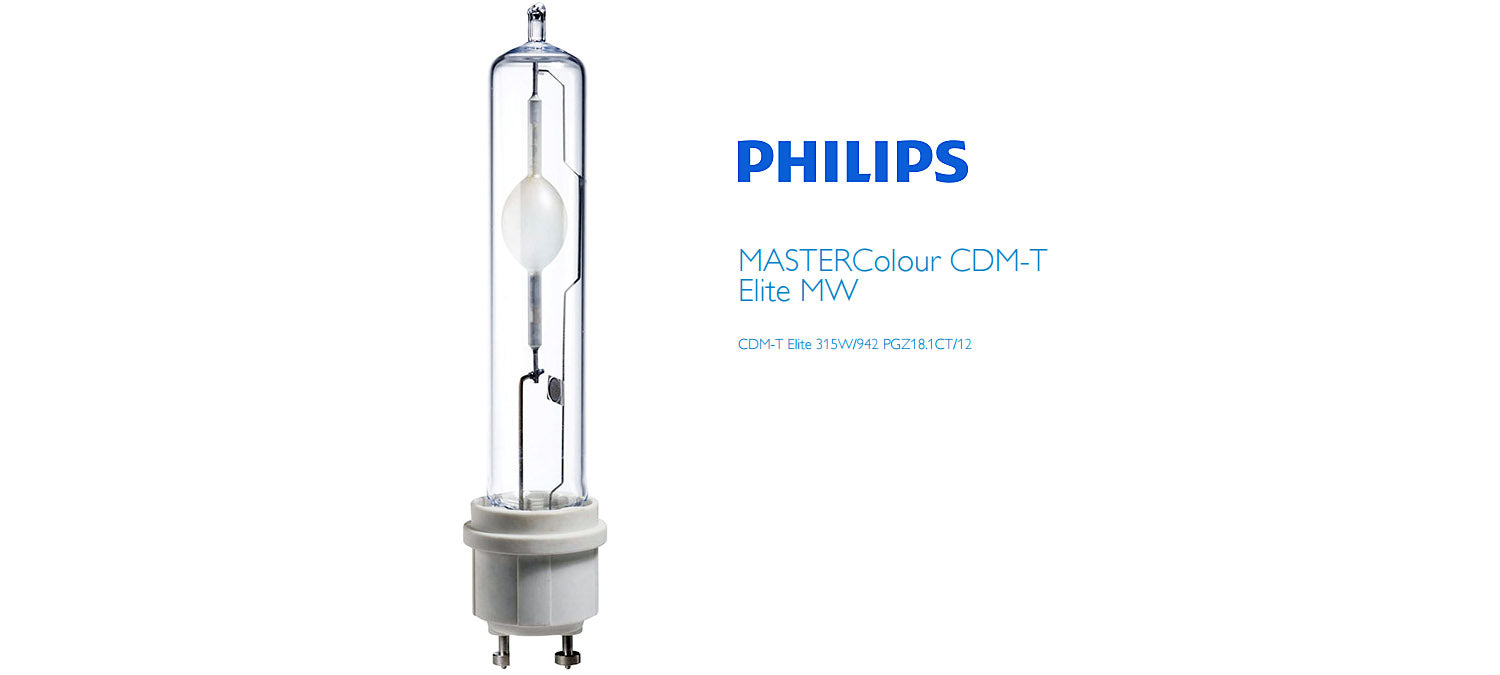
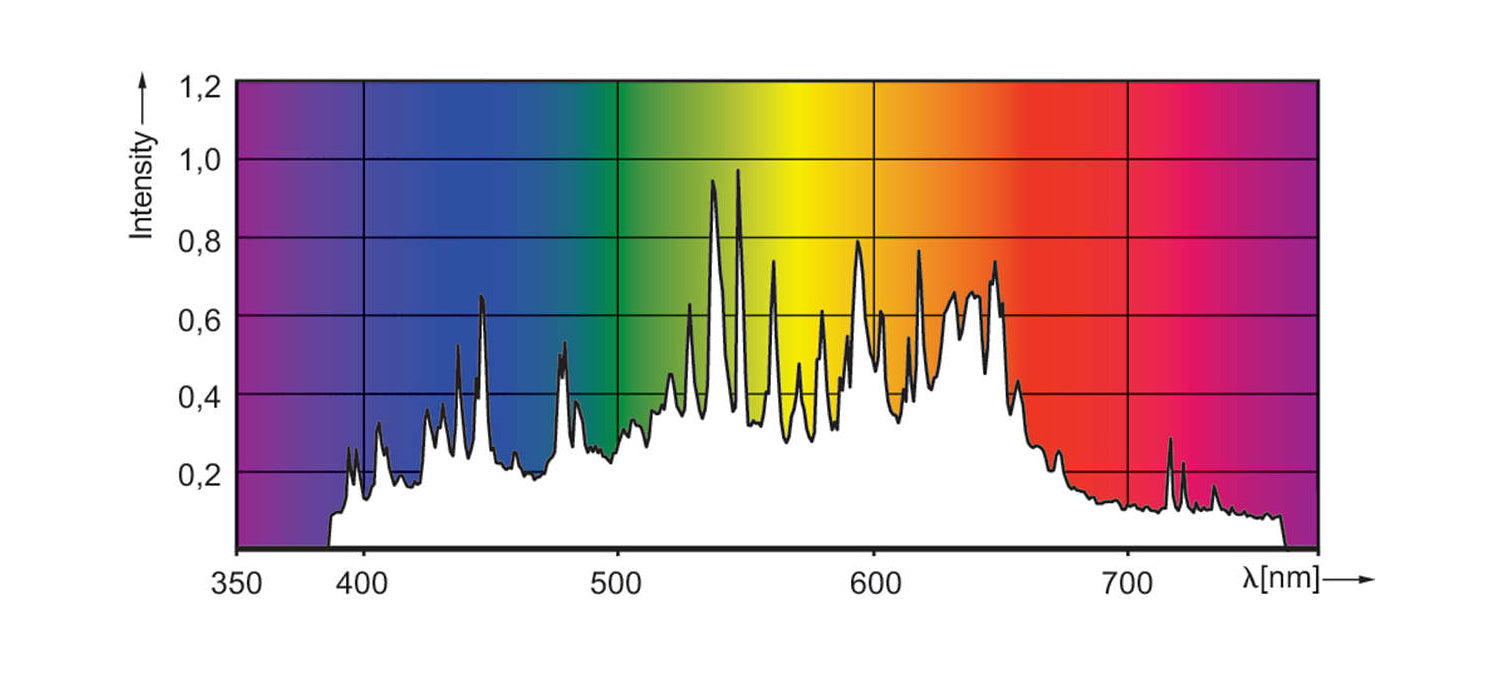
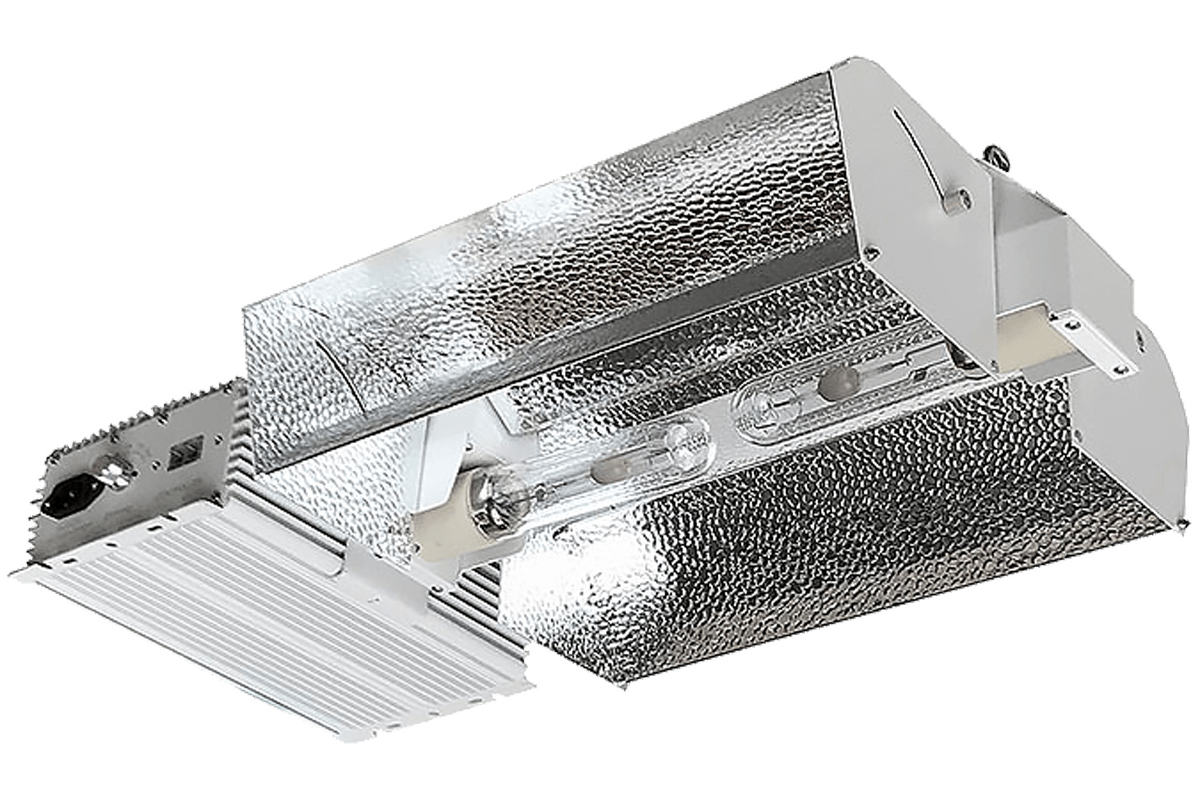
CMH grow lights(Ceramic Metal Halide) produce a broad light spectrum and are used for both growth and flowering. CMH lighting combines a relatively broad spectrum with high light intensity and good color rendering.
CMH also produces more radiant heat towards the crop than LED. Therefore, when determining the correct hanging height, take into account the power of the lamp, the fixture, and the crop's light requirements.
Other grow lighting
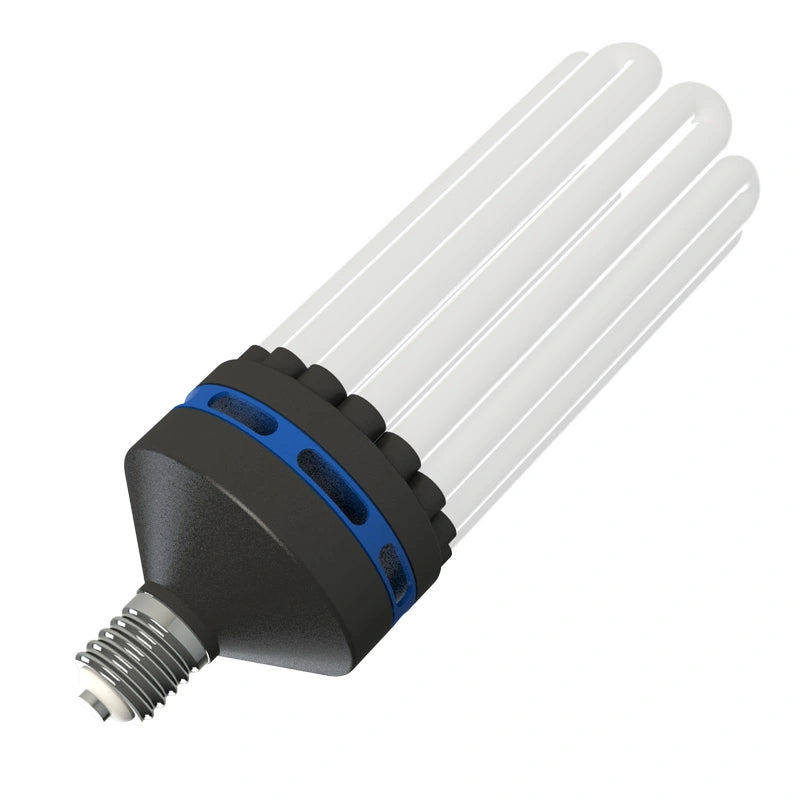
Besides LED, HPS, and CMH, there are other types of grow lightsfor specific applications. Think, for example, of lighting for cuttings and young plants and specialized lighting techniques. Which solution is most suitable depends on the application and the desired light level.
What should you look for when buying a grow light?
The power in watts only tells you how much electrical power a lamp uses. For comparing grow lights, the light output, efficiency, light distribution, and spectrum are also important.
Light output in µmol/s
The total photon flux of a grow light is expressed in µmol/s. This value indicates how many photosynthetically active photons the lamp produces per second. Two lamps with the same wattage can therefore have different light outputs.
Efficiency in µmol/J
The efficiency indicates how much photosynthetically active light a grow light produces per joule of energy consumed. A higher value in µmol/Jmeans the lamp converts electrical energy into usable plant light more efficiently.
Light distribution and growing area
Not only the total light output counts. The light must also be distributed as evenly as possible over the desired area. The shape of the fixture, the beam angle, and the hanging height influence this.
Spectrum
Plants use different wavelengths for their development. The suitable spectrum depends on the application and growth phase. Full-spectrum grow lights are versatile, while other lamps have a spectrum more focused on certain applications.
Heat and ventilation
All grow lights convert part of the consumed energy into heat. However, the amount of heat radiated directly towards the crop differs per lighting technology. Therefore, also take into account the temperature and ventilation possibilities of the grow room when choosing a grow light.
Dimmability and control
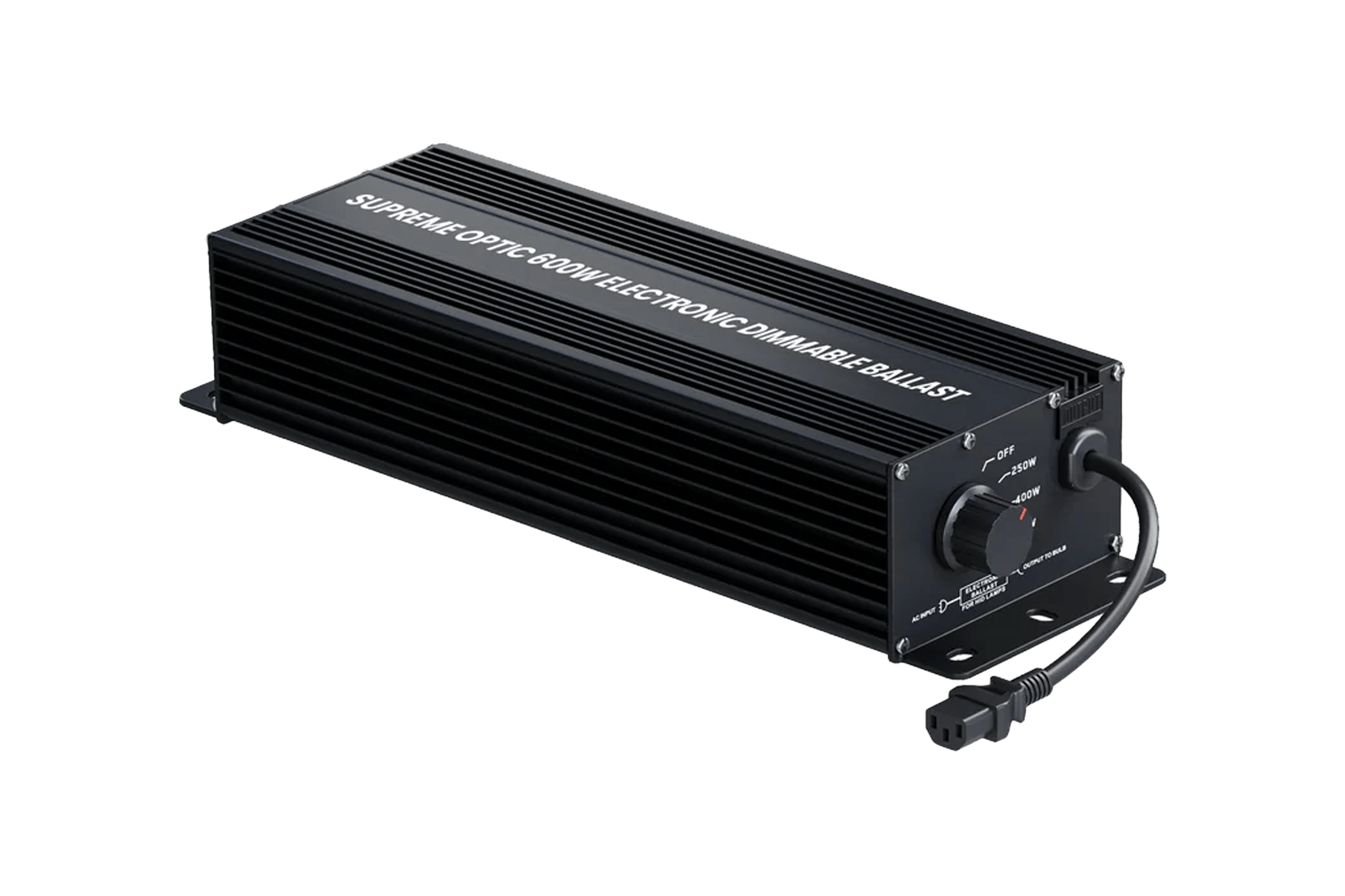
With a dimmable grow light, the light intensity can be adjusted to the growth phase and light requirements of the plants. With some systems, multiple fixtures can be linked and controlled centrally.
Frequently asked questions about grow lights
What is the best grow light?
There is no single grow light that is the best choice for every situation. The required type and power depend on factors such as the crop, the growth phase, the area, and the desired light intensity.
How many watts of grow light do I need?
Wattage alone is insufficient to choose a grow light. Also look at the light output in µmol/s, efficiency in µmol/J, light distribution, and the area you want to illuminate.
Which grow light is suitable for growth and flowering?
Different types of grow lighting can be used for growth and flowering. Full-spectrum LED grow lights are particularly versatile for this, but CMH and certain other light sources can also be applied during multiple growth phases.
What is the difference between LED, HPS, and CMH?
The techniques differ in efficiency, spectrum, heat output, lifespan, and purchase costs, among other things. Which technique is most suitable depends on the application and the conditions in the grow room.
Help with choosing a grow light
Not sure which grow light fits your plants and grow room? We are happy to help you determine the suitable type, power, and light area.
📞 Call: +31 (0)58-2890653
📧 Email: info@kweekverlichting.nl


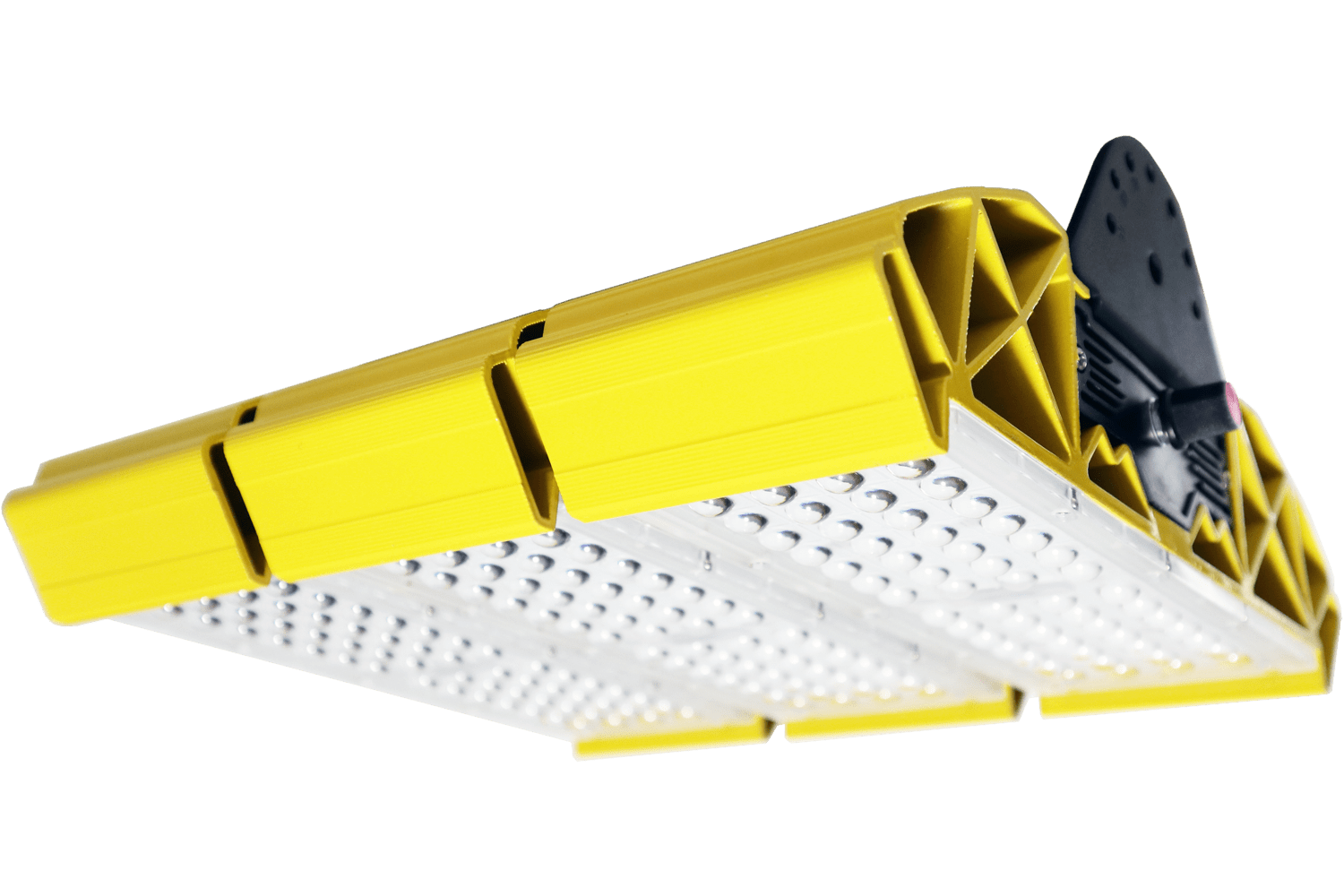
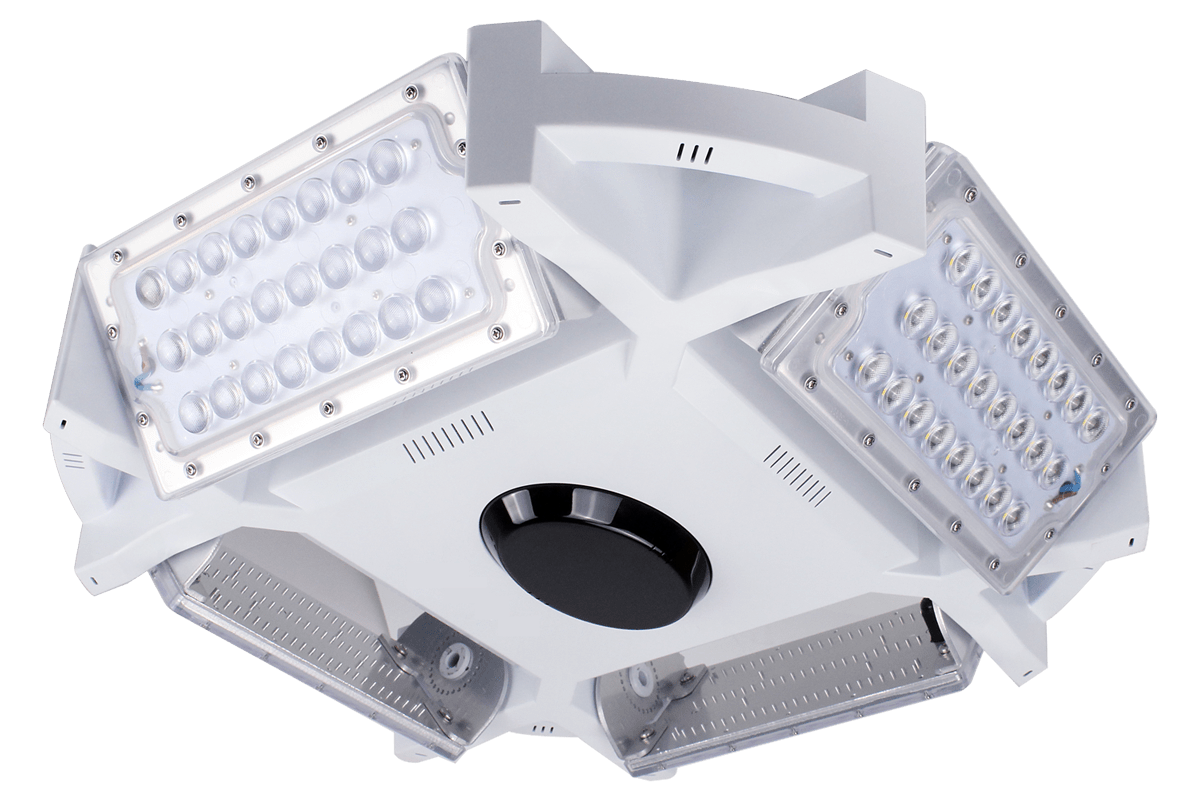
 250W Spreader






 720W Spectrabox PRO